
Blogs
What is Gutter Flashing and Why is It Important?
December 5, 2025
When you think about keeping rainwater out of your home, spouting and downpipes are usually top of mind. These channels are essential for directing water off your roof and away from your foundation.
However, there is another quiet hero that sits between the roof edge and the gutter, though. This is the gutter flashing. In this guide we’ll explain what gutter flashing is, why it matters for New Zealand homes and how it fits into your overall rainwater management system.
Understanding Roof and Gutter Flashings
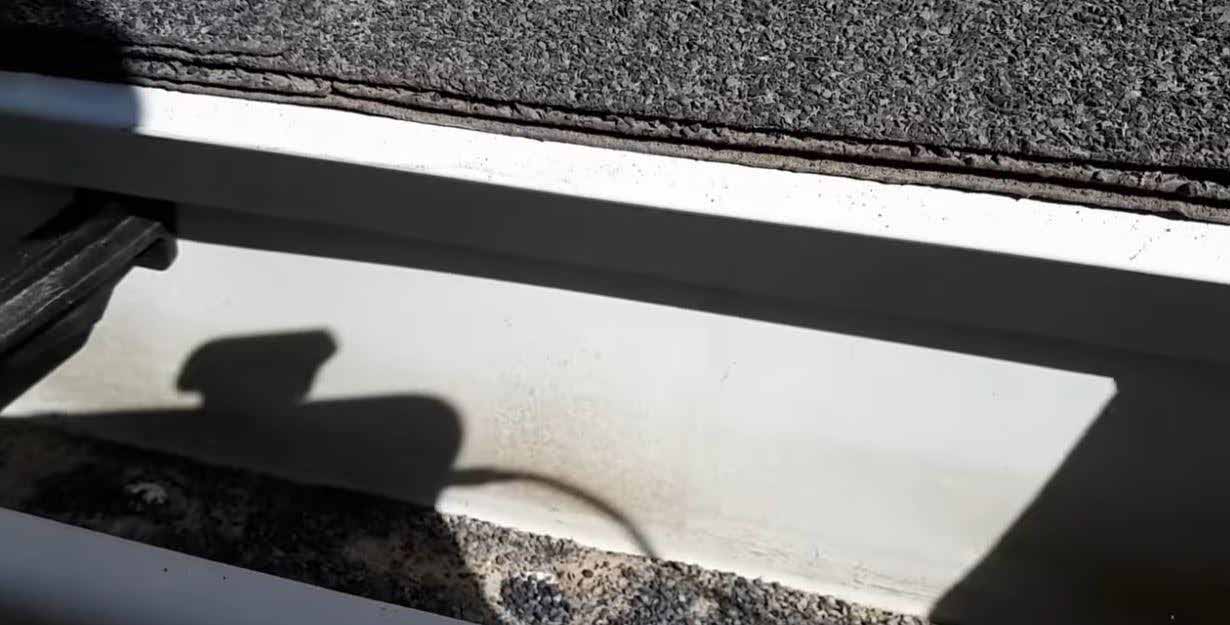
Roof flashing is a general term for thin metal strips that protect vulnerable intersections on a building. You will find flashing where the roof meets a wall, around chimneys, at valleys and along the edges of the roof. These pieces are cut and folded to create a watertight barrier that stops wind‑driven rain from sneaking under roof claddings or into wall cavities. Gutter flashing is installed along the lower edge of the roof under the first course of roofing material. It sits above the back of the gutter and directs water into the gutter channel rather than behind it. In a well‑designed system, the flashing bridges the gap between the roofing and the spouting so moisture is always shed outward.
At Clearwater Spouting we manufacture our own flashings in our Woolston factory. Because we cut and shape each piece on site, we can match the material and colour of your continuous spouting or any spouting profile perfectly. Flashings are installed at joints and corners to create a continuous moisture barrier. Without them, water can get behind your gutters, soak into timber fascia and soffits, and eventually enter the walls or ceiling.
The Anatomy of a Gutter Flashing
Most gutter flashings are made from corrosion‑resistant metals such as COLORSTEEL®, ColorCote, Zincalume or copper. They come in strips that are folded to form two legs: one leg tucks under the roofing material, while the other extends over the back of the gutter. When rain runs off the roof, it hits the flashing, drops into the gutter and flows down the downpipes. Because the flashing sticks out beyond the fascia, any water clinging to the underside of the roofing cannot travel back toward the timber. The flashing also protects the edge of the roof sheathing from splashback and directs drips away from the cladding.
Our installers take care to ensure the flashing overlaps the spouting correctly and is fixed securely. If you’re replacing old spouting with a modern continuous spouting system or upgrading to a new colour palette to match your home, we’ll make sure the flashing is updated at the same time.
Why Is Gutter Flashing So Important?
1. Protecting Fascia and Soffits
Timber fascia and soffits are vulnerable to decay when exposed to moisture. Without flashing, water that runs off your roof can wick behind the gutter via capillary action or be driven by wind. Over time the constant dampness causes paint to peel, timber to soften and mould to develop. Rotting fascia not only looks unsightly but can lead to costly structural repairs. A simple strip of metal stops this by directing water away from these elements.
2. Preventing Interior Leaks
You might not associate a roof leak with your gutters, but many leaks begin at the roof edge. If water is allowed behind the gutter it can enter the roof underlay and trickle down into wall cavities. When enough moisture accumulates, it finds its way into your home as damp patches, stains or bubbling paint. Properly installed flashing creates a watertight barrier that blocks this path before it starts.
3. Complying with Building Standards
New Zealand’s Building Code requires weather‑tight detailing at all external junctions [nf], including roof edges. Professional flashings help your home meet E2 moisture performance requirements. Councils and insurance providers may require evidence of adequate flashing for new builds or major renovations. Investing in quality materials and skilled installation now protects your compliance in the future.
Signs Your Gutter Flashing Needs Attention
Because flashing is tucked under the roofing, you may not notice problems until damage has already occurred. Here are some signs that your gutter flashing may need repair or replacement:
- Peeling paint or rot along fascia and soffit boards: moisture behind the gutter often leads to bubbling or flaking paint and soft timber.
- Water stains under the roofline: stains on exterior cladding or interior ceilings near the roof edge can indicate water infiltration from the gutter line.
- Sagging or pulling gutters: when water bypasses the gutter it can saturate timber and cause nails or screws to loosen, making the gutter sag.
- Rust or corrosion at the roof edge: moisture trapped between the roofing and the gutter may corrode metal roofing or nails.
- Visible gaps between the roof and the gutter: you should not be able to see daylight between your roof cladding and the back of the gutter. A missing or improperly installed flashing can leave this gap.
If you notice any of these issues, it may be time to call in an expert. Our team at Clearwater Spouting offers inspections and maintenance for both internal gutter & fascia systems and external spouting. We’ll check your flashing and recommend repairs or replacement as needed.
Get in Touch with Clearwater Spouting Today
If you’re replacing old spouting or notice signs of moisture damage near your gutters, it’s worth checking the condition of your flashings. Clearwater Spouting designs, manufactures and installs customised flashing and spouting systems for homes across Canterbury. Our team can inspect your existing setup and recommend upgrades or repairs to keep your roofline watertight. Learn how quality flashing can extend the life of your spouting and protect your home for years to come.
Organisations We Are Affiliated With