
September 9, 2025
If you own a home with internal (also known as concealed gutters or box gutters) gutters, you probably enjoy the clean roofline. The trade‑off is that problems are harder to see and often costlier to fix. This guide explains how internal gutters work, why they commonly fail, and why so many New Zealand homeowners ask Clearwater Spouting to convert box gutters to modern external spouting and downpipes
What are internal gutters?
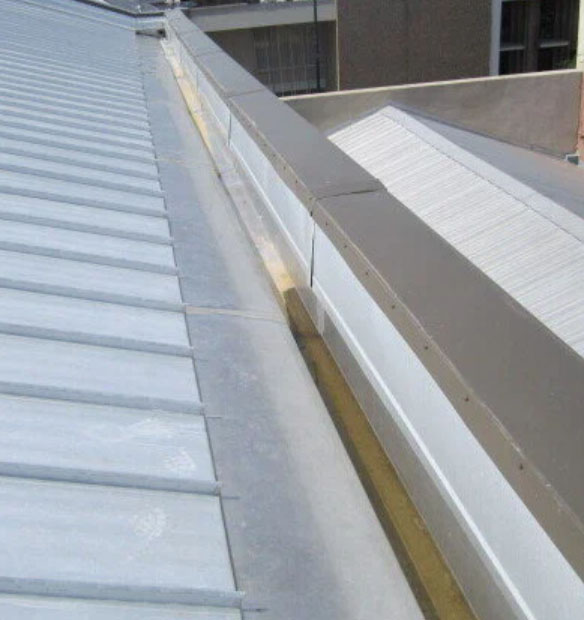
Internal gutters sit within the roof structure, hidden behind parapets or within wide eaves. Water is captured in a trough formed by roofing or membrane and then directed to internal outlets and downpipes. The tidy look is appealing, especially on older villas and homes with parapets, but the arrangement puts water inside the building envelope – so any failure is immediately higher risk.
Why internal gutters fail more often.
Hidden leaks stay hidden: When a joint opens up or sealant ages, water can run into roof cavities long before anyone sees a stain on a ceiling.
More components, more risk: Internal gutters rely on membranes or linings, sumps, outlets, overflow devices and concealed pipework working together. One blocked outlet can put the whole run under water.
Difficult to maintain: Access is often limited and safe cleaning may require specialist gear. Small issues can escalate before they are found.
Heavy rainfall exposes the weak points: Short, intense downpours quickly exceed the capacity of older box gutters or downpipes.
The code context in NZ
New Zealand’s Building Code requires buildings to manage external moisture effectively, and the Acceptable Solution E2/AS1 sets out detailing for gutters, outlets and overflows. In practice, internal gutters must be accurately sized, laid to a minimum fall, and critically include overflow paths that discharge safely to the exterior so you get early warning if an outlet blocks. Industry guidance reinforces that membrane internal gutters require dedicated overflow outlets sized at least equal to the downpipes they serve.
Top risks to watch for with internal gutters
Overflow into the building: When outlets block, water has nowhere to go but over the inner edge toward ceilings and wall cavities.
Membrane lifespan: UV, heat and standing water shorten the life of lining materials supporting the gutter trough.
Hidden structural damage: Prolonged damp weakens timber and encourages mould, even if ceilings look fine.
Downpipe bottlenecks: Concealed twin bends or undersized pipes restrict flow from sumps, causing back‑up during storms.
Limited visual clues: Because everything is concealed, the first “sign” is often staining, blistered paint or a musty smell indoors meaning damage has already occurred.
How an internal‑to‑external conversion works
Every home is different, but a typical Clearwater Spouting conversion includes:
Assessment and design: We inspect the current box gutter layout, sumps, outlets and downpipes. Then we measure roof catchments and specify external gutter profiles, rainheads and downpipe sizes to suit.
Make‑safe and isolate: Temporary protection may be installed while the internal gutter is decommissioned to keep the home dry during change‑over.
Remove or line‑out the internal gutter: Depending on the construction, we remove the internal trough or line it out to provide back‑up protection.
Install fascia, brackets and external spouting: New fascia sets the line and fall, continuous spouting is roll‑formed on‑site where practical for smooth, leak‑resistant runs.
Fit rainheads and downpipes: Rainheads provide capacity and a visible overflow point, and downpipes are sized and routed to discharge clear of the building and landscaping.
Final detailing and tidy‑up: Joints are sealed, outlets tested, and we walk you through maintenance tips and before/after photos.
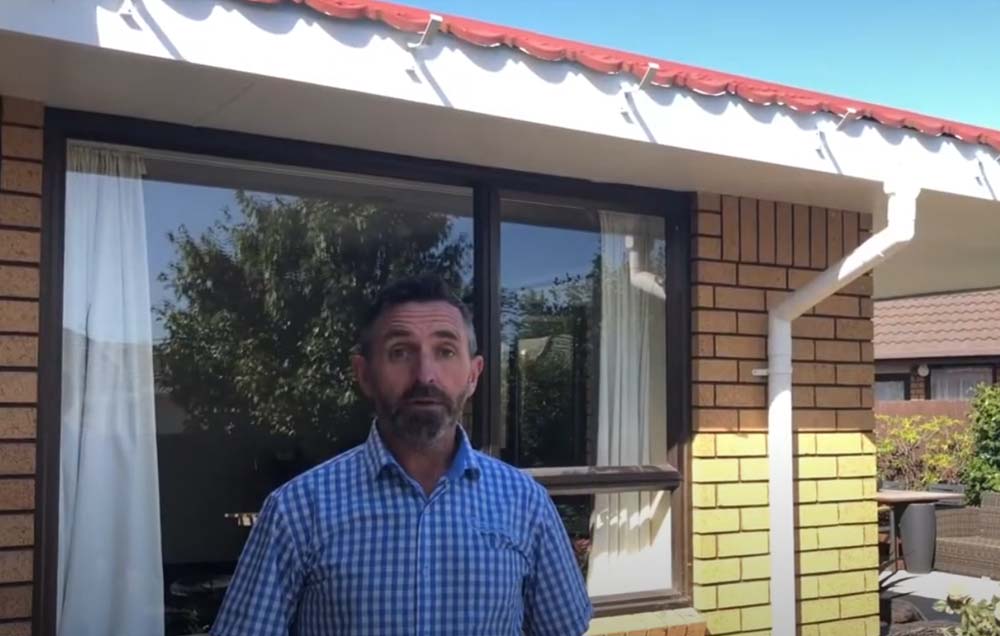
Watch: Internal gutter conversion Explained
Below is a short video that shows what an internal‑to‑external conversion looks like on a real home.
Frequently asked questions
How long does a conversion take?
Most residential jobs are completed within days rather than weeks, subject to weather and access. We will confirm the schedule when we quote the job.
Can you match my existing colours and profile?
Yes, NZ‑standard colour ranges and multiple profiles are available to complement most roofs and fascias.
Do you replace rotten fascia?
If we find deterioration behind the old gutter, we can replace or repair the affected fascia before the new spouting goes on.
What about guard systems?
Where trees are close, we can install leaf guards or rainhead screens that suit your profile and local conditions.
Is conversion always the best answer?
Well most of the time it is – however on some homes, careful remediation and / or additional overflow may be sufficient. We will give you options and costs so you can decide with confidence.
Clear, simple pricing and a strong warranty
Our quotes spell out what’s included, profiles, colours, rainheads, downpipe locations, and any fascia work so there are no surprises. We install to best practice and provide workmanship and product warranties for peace of mind.
Ready to reduce your risk?
If you’ve seen interior stains, or any related issues talk to Clearwater Spouting. We will inspect your home, recommend the smartest path forward, and deliver a tidy, long‑lasting spouting. Call 0800 724 662 To Book your free on‑site assessment and quote today.