
Blogs
What Causes Spouting To Sag? Common Reasons Christchurch Gutters Lose Their Fall
July 24, 2026
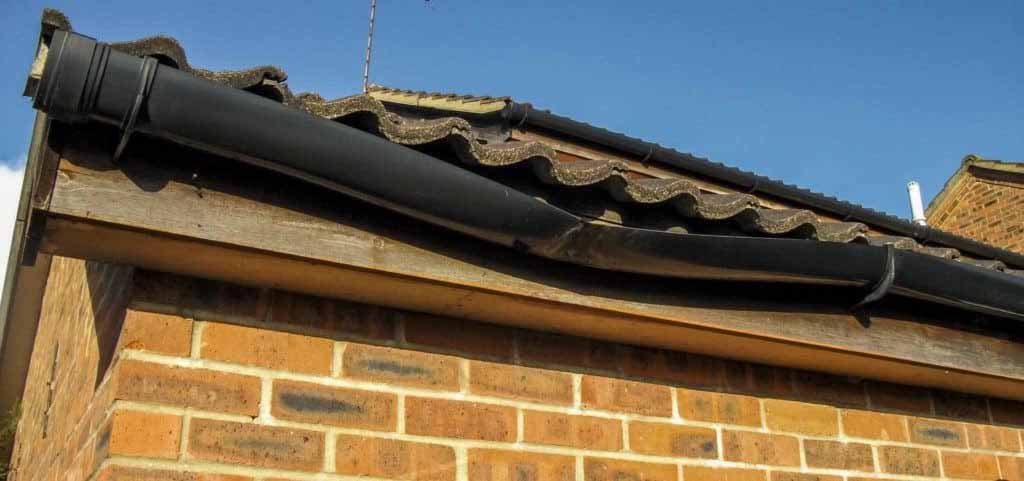
Sagging spouting homeowners notice without knowing what it really means. The gutter line looks uneven, one section seems lower than the rest, or water starts sitting where it used to flow away smoothly. Sometimes the problem shows up during rain. Sometimes it is obvious on a dry day when the spouting no longer follows a straight line along the fascia.
Either way, sagging is not something to ignore. Once spouting loses its fall, water stops draining properly. That leads to overflow, staining, extra weight on the brackets, and pressure on the fascia behind it. In Christchurch, where heavy rain can hit fast, that usually means the problem gets worse rather than better.
Why Gutter Fall Matters
Spouting needs a consistent fall so water can move toward the outlet and downpipe. It does not need to be steep, but it does need to be correct. If one section drops, bows or pulls away, water starts collecting in the low point instead of draining out.
That standing water adds weight to the run and puts extra strain on everything holding it in place. Once that starts, the sag gets worse with every heavy rain event.
The Most Common Causes Of Sagging Spouting
Blockages And Water Load
One of the biggest causes is simple build-up. Leaves, grit, moss and debris stop water from moving freely. That creates standing water, and standing water adds weight. Over time, the brackets can start to pull, especially if the system is older.
If the property sits under trees and collects wind-blown debris, this is likely to happen.
Failing Brackets Or Fixings
Sometimes the spouting itself is not the first thing to fail. The issue is the hardware holding it up. Loose brackets, corroded screws or poor fixing can all allow the gutter line to drop out of position.
This shows up gradually. A run may start looking slightly off, then one section begins holding water. Once the weight builds, the bracket failure becomes more obvious.
Poor Original Installation
Some sagging problems start on day one, even if they take years to become obvious. If the spouting was installed with poor fall, uneven support spacing or weak fixing points, it may never have drained as well as it should.
That matters because spouting does not correct itself over time. A small installation fault can turn into a larger drainage problem once the system is exposed to years of water load and weather.
If a replacement is needed, this is where properly formed continuous spouting in Christchurch gives a better long-term result, especially on longer runs.
Fascia Problems Behind The Gutter
Sometimes the real issue is not the gutter at all. It is the fascia behind it. If the fascia has softened, rotted or weakened, the fixings may no longer hold firmly. That allows the spouting to drop even if the brackets themselves are still intact.
This is an important one to catch early, because there is little value in refixing spouting onto failing timber or damaged backing. Where fascia issues are involved, the conversation often extends beyond the gutter run itself.
Material Fatigue And Age
Older systems lose their shape as they age. This is especially common with plastic systems, but metal spouting can also deteriorate if it has been under stress for years. Once the material starts distorting, the fall becomes less reliable and patch repairs tend to be short-lived.
That is one reason we assess the full rainwater system rather than looking only at the lowest point. Sagging may be the visible symptom, but the real problem is usualy broader.
Why Sagging Rarely Stays Localised
Sagging affects the whole drainage pattern. Once water starts sitting in one area, the outlet works less efficiently, the overflow risk increases, and nearby sections take on extra strain.
That can lead to fascia staining, water marks on cladding, and more pressure on flashings around the roof edge. We covered some of those wider warning signs in our article on How to Spot and Fix Common Gutter Issues in Your Christchurch Home. Sagging is one of the first visible clues that the drainage system is no longer performing properly.
When A Repair Is Enough And When It Is Not
A minor localised issue may be repairable if spouting is otherwise sound. That could mean replacing brackets, correcting the fall in one run, or dealing with a blockage that caused the problem.
But if the sagging is tied to ageing material, repeated overflow, fascia weakness or poor layout, spouting repair may only delay replacement.
The Best Time To Deal With Sagging Spouting
Once water is sitting in the gutter, the issue is already affecting performance. The longer it is left, the higher the chance of secondary damage around the roofline.
If your spouting is sagging, holding water or pulling out of line, we can assess what is causing it and whether it is best repaired or replaced. We work across Christchurch with continuous spouting, downpipes & rainheads, flashings and spouting profiles that suit homes properly.
If you want a clear answer based on the actual roofline, get in touch with us for a quote.
Organisations We Are Affiliated With