
November 20, 2025
If you have ever looked up at your eaves and wondered what that straight board behind the spouting actually does, this guide is for you. A well‑detailed fascia is essential to move water off the roof edge, protect the structure and keep your home looking good. Clearwater Spouting services Christchurch, Canterbury and the West Coast with fascia, spouting, downpipes and rainheads that are made to suit local conditions. Our guide will take you through what is a fascia, how to maintain it, and some of our expert advice on how to simplify maintenance.
Let’s start with – What is a roof fascia?
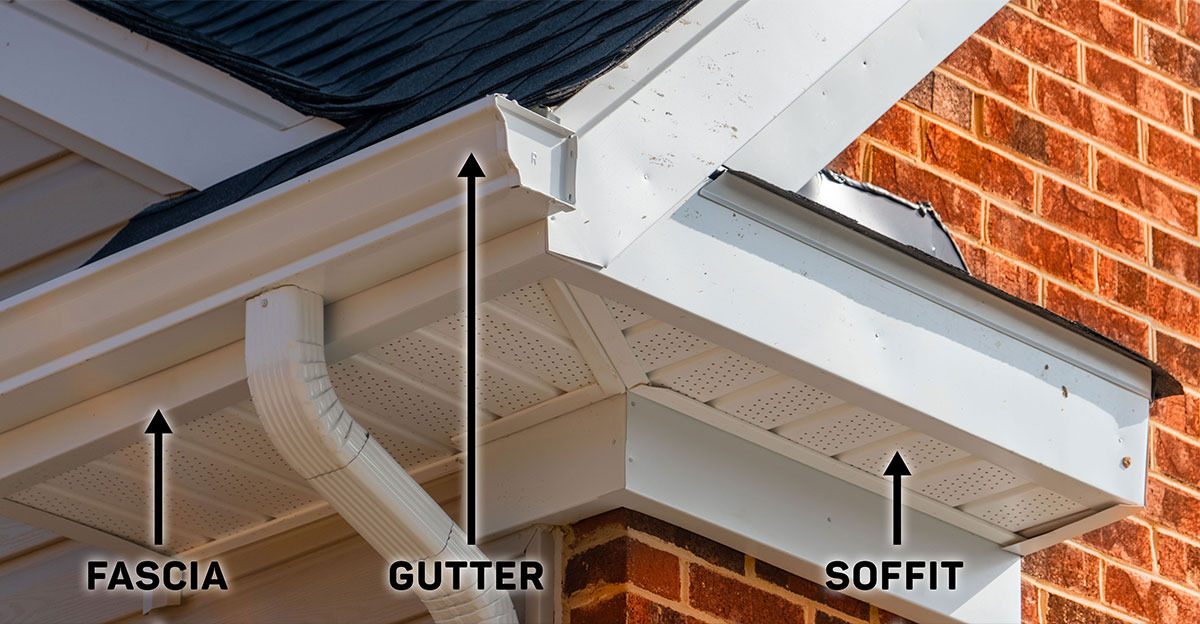
The fascia is the horizontal board that runs along the lower edge of the roof, where the rafters or trusses end, and most importantly provides the mounting point for your spouting (gutters) and downpipes. Get the fascia right and your gutters sit at the correct fall if you get it wrong you will have water overflowing and staining in heavy rain. Clearwater Spouting supplies full fascia and gutter systems.
How fascias protect your home
Fascias keep water out – that’s the gist of it. A straight fascia lets spouting drain properly so water doesn’t back up under the roof edge. That’s a key part of meeting the NZ Building Code’s external moisture requirements
Fascias add strength at the roof edge. It supports the first course of tiles or long‑run roofing and provides a solid fixing line for gutter brackets. It improves street appeal as well. Also a tidy fascia creates a clean visual edge that can be an easy value‑add on older homes when paired with fresh spouting.
Best fascia materials for Canterbury & West Coast
Pre‑painted steel fascia caps (COLORSTEEL®/ColorCote®) are durable, low‑maintenance and ideal for marine exposure on the Coast and in Canterbury. Steel caps can be fitted over existing timber to stop the repaint‑and‑rot cycle.
Repair vs replace: how to decide
Here’s quick ways to spot if you need a repair or need to replace:
- Localised issues (a loose bracket, dented section) usually mean targeted repairs.
- Peeling paint, soft timber or frequent overflows suggest the fascia is compromised. Capping sound timber with steel or replacing the fascia and spouting gives a longer‑term fix.
- Persistent leaks from internal/box gutters? Converting to external spouting is a bigger project that often includes new fascia, rainheads and downpipes but dramatically reduces hidden overflow risk. Get professional advice before you start.
A simple maintenance plan – once or twice a year
- Clear the spouting. Remove leaves and grit so water can’t sit against the fascia; consider gutter guards in leafy streets.
- Check falls and fixings. Look for sagging runs or loose brackets so you can fix early.
- Inspect the fascia line. On metal caps, look for impact damage or failing sealant at the cuts. If you got timber fascia, flaking paint or swelling are usually early signs of bigger problems.
- Rinse coastal homes. A light hose‑down after big storms helps protect coatings from salt spray brought by wind.
Ready to talk about fascia or looking for a full rainwater system? Get in touch with us for friendly and practical advice and a free quote on 0800 724 662. Clearwater services Christchurch, Canterbury and the West Coast.
FAQs
What does a fascia actually do?
It finishes the roof edge, protects rafter or truss ends and provides the structural mount for spouting and downpipes so water drains away from your home safely.
Can you cap my timber fascia instead of replacing it?
Often, yes. A steel fascia cover over sound timber eliminates repainting and helps prevent rot, can be great for upgrades.
Which materials suit coastal homes on the West Coast?
Pre‑painted steel or aluminium are excellent choices for marine environments, paired with compatible downpipes and rainheads.
Do you make continuous spouting to length?
Yes, Clearwater runs continuous spouting onsite for precise lengths and then fixes it to a true fascia line for correct fall.
Are installations done to the NZ Building Code?
Installations should follow E2/AS1 for external moisture management – your best assurance that roof edges, gutters and fascias are detailed to keep water out.