
Blogs
Continuous Spouting vs Traditional Systems: Which Is Better for Christchurch Homes?
January 6, 2026
If you own a home in New Zealand, you already know how important a reliable spouting system is. Our mix of coastal winds, heavy showers and cold winters can quickly expose any weaknesses in an ageing or poorly installed guttering setup. When the time comes to replace your spouting, one of the biggest decisions is choosing between a traditional sectional system and modern continuous spouting.
Both have their place, but the right choice depends on your roofline, your long-term plans and how much maintenance you want to deal with.
In this guide, we break down the key differences so you can feel confident you’re making the smartest, most durable and most cost-effective choice for your property.
What Is Traditional Sectional Spouting?
Traditional guttering is installed in segments. Each length is cut to size, then fixed together on site using joins, brackets and sealants. This has been the standard method for decades and is still used for many homes, especially those with complex rooflines that require a range of profiles.
Sectional spouting is typically made from COLORSTEEL® and ColorCote. While it can be cost effective in the short term, the joins are the weak point. Over time, sealant breaks down, movement occurs at the joints and small leaks begin to appear.
What Is Continuous Spouting?
Continuous spouting is manufactured onsite using a mobile machine that runs custom lengths directly from a coil of steel. Instead of multiple pieces joined together, each run of spouting is made as one seamless length that fits your home perfectly. Fewer joints means fewer opportunities for leaks and a cleaner look overall.
At Clearwater Spouting, our team manufactures continuous spouting in a range of durable materials and profiles, all produced on site for a perfect fit.
Key Differences: Continuous vs Traditional Spouting
1. Water Tightness and Leak Prevention
This is where continuous spouting stands out. Traditional systems may have a join every three to six metres. Every join is a potential leak point once sealant starts to age.
Continuous spouting removes those weak points. With only corner junctions and end stops to seal, the entire system is far more reliable in wet conditions. Canterbury homeowners in particular benefit from this extra protection during heavy rain and wind driven weather.
If your home has visible leaks at joints or persistent drips long after the rain has stopped, it may be time to shift to a more reliable solution.
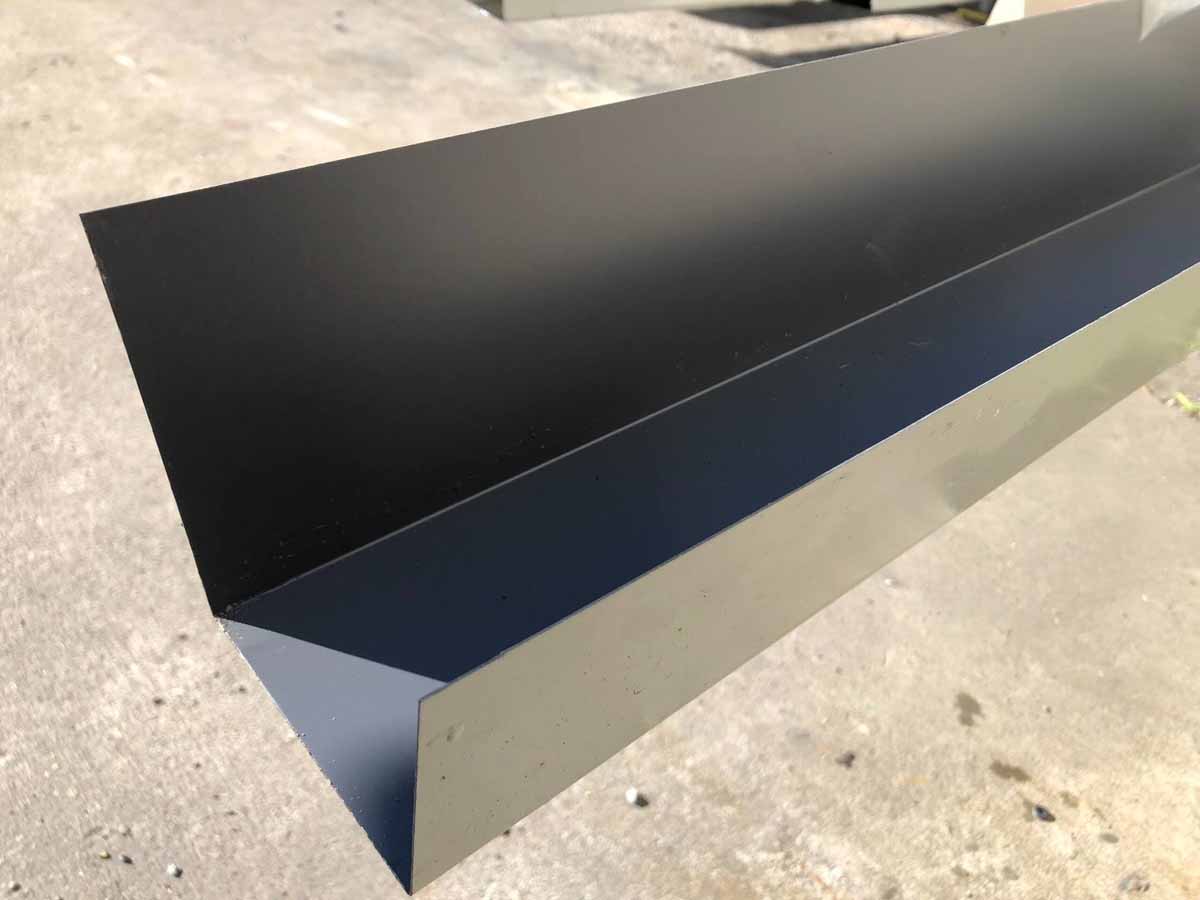
Compare available shapes and spouting profiles.
2. Appearance and Street Appeal
Continuous spouting has a clean, tidy finish because there are no visible joins every few metres. The single piece design creates a smooth line that makes the roof edge appear straighter and more modern.
Traditional spouting can still look great when new, but over time joins may shift or sag slightly, creating uneven lines. This becomes more noticeable on older homes or areas exposed to direct sun.
For homeowners wanting a high-end finish, particularly when renovating or re roofing in Christchurch, continuous systems are usually the better choice.
3. Durability and Maintenance
Traditional systems require more maintenance over time as joins must be re-sealed, aligned or replaced. Even one failing section can lead to leaks behind the fascia or into the soffits.
Continuous spouting is designed to reduce those common maintenance issues. With fewer components to fail, homeowners can expect longer service life and less frequent repairs. This is especially true when paired with quality materials and properly fitted flashings to keep water out of vulnerable areas.
If you want a low maintenance system that can stand up to decades of Canterbury weather, continuous spouting typically wins.
4. Cost Considerations
Traditional sectional spouting can be slightly cheaper to install upfront because materials are produced in standard lengths. Labour costs may also be lower for simple rooflines.
Continuous spouting may have a higher initial price, but the reduced maintenance, longer lifespan and fewer repairs often make it more cost effective over time. When you factor in the reduced risk of water damage, the long term value becomes clear.
Homeowners replacing their gutters during a larger renovation also find that continuous spouting complements upgrades to fascia and downpipes. Explore our internal gutter and fascia options.
5. Suitability for Different Homes
Both systems have their place.
Continuous spouting is ideal for:
- Modern homes with long straight runs
- Older homes needing a full exterior refresh
- Properties exposed to high rainfall or wind
- Homeowners wanting a clean, seamless finish
Traditional spouting is suitable for:
- Complex rooflines where multiple short sections are unavoidable
- Homes needing a fast, affordable and effective fix
- Repairs to existing sectional systems rather than full replacement
Which System Is Better for NZ Homes?
For Canterbury homeowners, continuous spouting delivers the best performance and long term value. It reduces the risk of leaks and requires less maintenance over its lifespan.
Traditional spouting still has its place in certain builds, especially those with rooflines that benefit from shorter segments or where affordability is a priority. However, the ongoing costs of repairing joints and the increased risk of leaks mean many homeowners are choosing continuous systems when upgrading.
Ready for an Upgrade?
If your gutters are leaking, sagging or showing signs of age, it may be the right time to consider switching to a continuous system. Clearwater Spouting manufactures spouting onsite for a precise fit, and our team can recommend the right profile for your home.
Organisations We Are Affiliated With