Blogs
Internal Gutter Systems: Pros, Cons, and Maintenance Tips for Christchurch Homes
January 26, 2026
Internal gutter systems are common in many older Christchurch homes and in some commercial buildings. They are built into the roof structure rather than mounted externally along the fascia, which makes them discreet in appearance but also more complex to maintain. When internal gutters begin to fail, the damage is often hidden until the issue becomes serious. For that reason, regular upkeep and timely repairs are essential.
At Clearwater Spouting, we work with all types of internal gutter systems. We repair, assess, and maintain them, and we also help homeowners convert from internal gutters to modern external spouting when a long term solution is needed. This guide explains the benefits, drawbacks and maintenance tips for internal gutters, and when it may be time to consider an upgrade.
What Are Internal Gutter Systems?
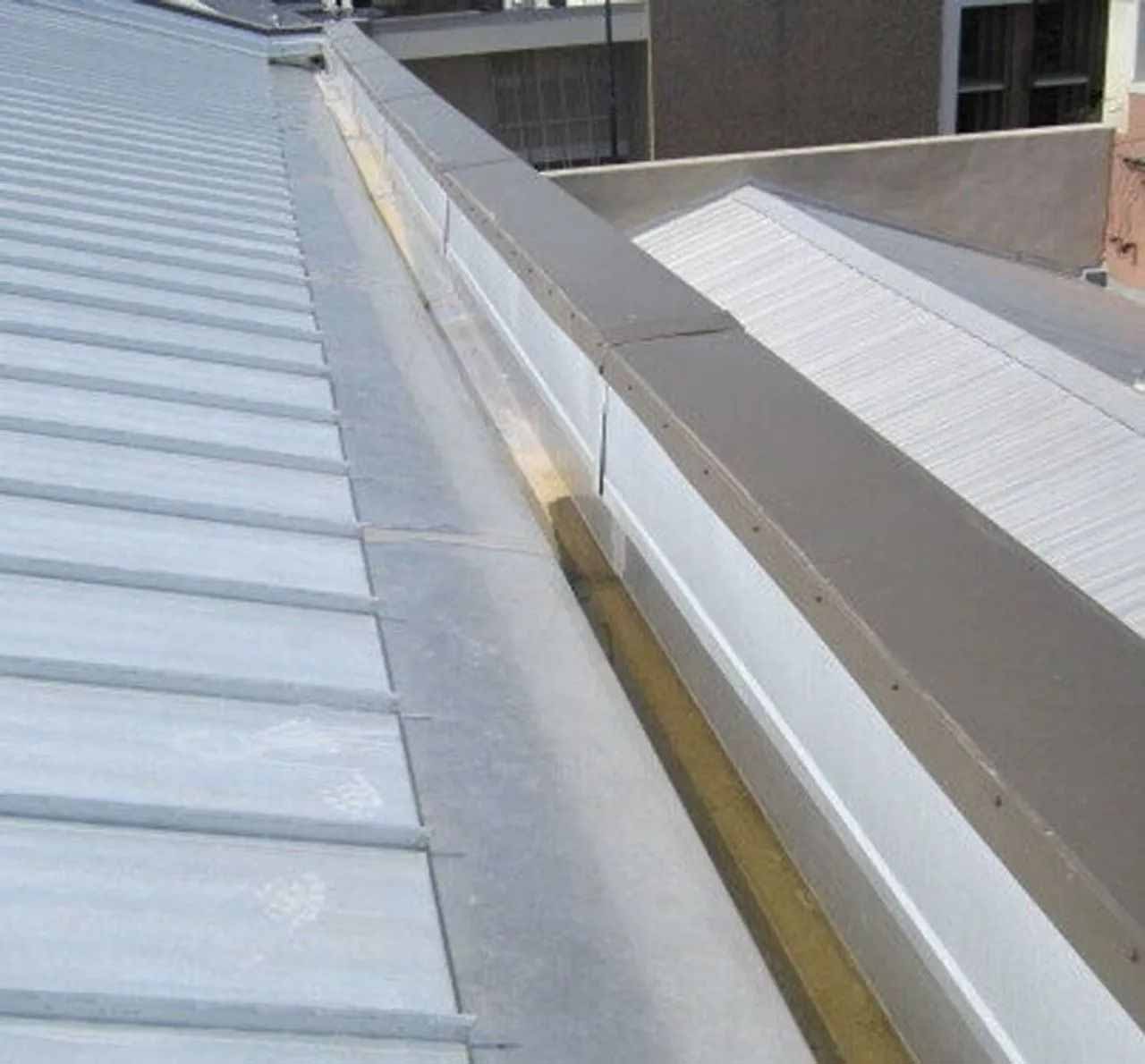
Internal gutters sit inside the roofline and are concealed behind parapets or roof edges. Instead of hanging on the outside of the building, they form a channel within the roof’s structure. These gutters collect water and direct it to rainheads and downpipes, often through concealed outlets.
Because they are built into the roof, internal gutters need to be completely watertight. Even minor leaks can allow water into the ceiling cavity, creating issues such as mould, damaged insulation and structural swelling. If you are unsure about the type of system your home has, our team can inspect it and provide recommendations through our services for internal gutters.
Pros of Internal Gutter Systems
1. Clean, Minimal Appearance
Internal gutters appeal to many architects because they are hidden from view. Without a visible spouting line, the roof edge looks streamlined. Homes with parapet walls often use internal systems for this reason.
2. Works Well With Certain Modern Designs
Internal gutters are sometimes the best choice for flat roofs or architectural builds where external spouting is difficult to position. Their concealed design can help achieve a contemporary look where visible guttering would disrupt the aesthetic.
3. Protected From Wind
Because internal gutters sit within the roof’s structure, they are shielded from strong winds. This reduces strain on brackets that external gutters experience.
Cons of Internal Gutter Systems
1. High Risk When Leaks Occur
The biggest drawback of internal gutters is the damage they cause when something goes wrong. A leak in an external spouting system drips outside the house. A leak in an internal gutter sends water into the roof cavity, where it often goes unnoticed until severe damage has already happened.
2. Difficult to Access and Maintain
Internal gutters sit behind roofing material, making them harder to inspect and clean. Debris, birds’ nests, roofing fragments and moss can build up inside them. Without regular checks, blockages form and water can overflow back into the roofline.
3. Limited Capacity in Heavy Rain
Many internal gutters were installed decades ago and may not meet modern capacity requirements. Christchurch’s intense downpours can overwhelm smaller internal channels, especially when paired with ageing downpipes or restricted outlets.
4. Costly Repairs
When repairs are needed, roofing often has to be lifted or replaced to access the gutter channel. This increases costs and complexity compared to external systems.
Because of these drawbacks, many homeowners are choosing to convert to an external spouting system. Clearwater Spouting explains this in more detail in our guide on how we convert internal gutters.
When Internal Gutters Should Be Repaired or Upgraded
If you have an internal gutter system, look out for the following warning signs:
- Water stains on ceilings
- Damp insulation or a musty smell in the roof cavity
- Overflow during heavy rain
- Drips near parapet walls
- Bubbling paint or swelling timber
- Repeated blockages in outlets or rainheads
Any of these issues indicate the system is struggling. Our team carry out repairs where appropriate or advise if a full upgrade is the better long term solution.
When to Consider Converting to External Spouting
Converting to external spouting is one of the smartest improvements you can make to an older home with internal gutters. It significantly reduces the risk of hidden water damage and makes future maintenance far easier. External systems have visible channels, a larger capacity for rain, and easy access for cleaning.
We offer custom continuous spouting which is manufactured onsite for a perfect fit. This style of spouting removes most joints, provides a smooth, modern finish and delivers reliable performance through Canterbury’s diverse weather conditions.
Maintenance Tips for Internal Gutter Systems
If you are keeping your internal gutters for now, regular upkeep is essential. Here are practical steps to reduce the risk of failure:
1. Schedule Routine Inspections
Have your gutters checked at least once a year, and after major storms. Because internal gutters are concealed, an experienced installer is needed to identify early signs of deterioration. Our team provides detailed assessments and can advise on repair options.
2. Keep Outlets and Downpipes Clear
Blockages are a common cause of overflow. Ensure rainheads, scuppers and downpipes are free from leaves, nesting material and moss. Upgrading outlets or adding larger capacity downpipes can also help.
3. Improve Water Flow
Your gutters should have a consistent, even fall towards the outlets. Any dips or pooling areas increase the chance of corrosion or overflow. In many cases, poor fall is a sign that the system is nearing the end of its life.
4. Consider Adding Protective Measures
Where possible, adding mesh or leaf protection near outlets reduces debris entry. Homes with overhanging trees may also consider installing our gutter guards on any associated external spouting.
5. Repair Issues Early
Small cracks or corrosion patches can quickly escalate in internal systems. Addressing problems promptly helps prevent water entering the structure.
Talk to Christchurch’s Internal Gutter Specialists
Regardless of if your internal gutters need repair, assessment or a full conversion to external spouting, Clearwater Spouting has the experience and specialised knowledge to ensure a reliable gutter or spouting solution. We work across Christchurch and the Canterbury region, supplying quality materials, professional installation and dependable advice.
Contact our Christchurch team for a free quote and let us help you protect your home with a safer and efficient guttering system.
Organisations We Are Affiliated With