
Blogs
Klass and Taylor Fascia Systems: Repair, Replace or Convert
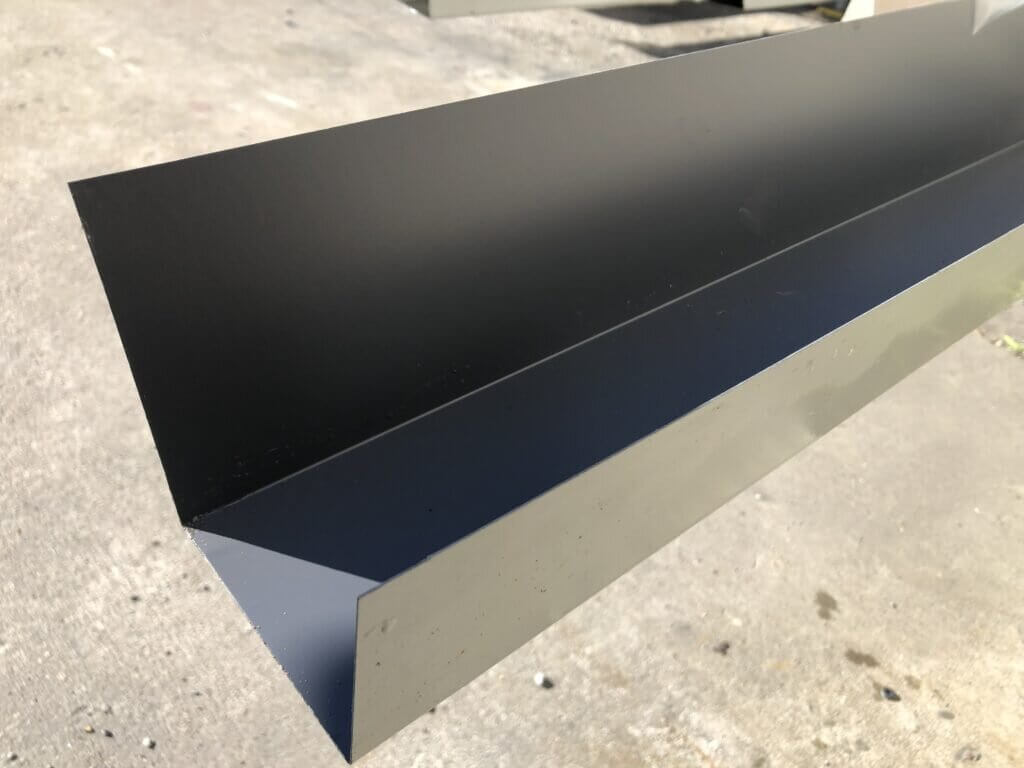
November 1, 2026
From the street, a Klass or Taylor fascia looks tidy. One clean metal band runs around the roofline and there is no spouting in sight.
The gutter is still there. It sits hidden behind that band, and when it leaks, it leaks out of view.
We replace both systems around Christchurch, and we also convert them to external spouting. Which of those makes sense depends on the house, so this is how we work through it with owners.
How to Tell If Your House Has One
Stand back and look at the roof edge. A deep, flat metal fascia with no separate spouting hanging off it, and downpipes that seem to drop out from under the eaves, usually means a fascia gutter system.
They went onto a lot of New Zealand homes from the late 1980s through to the 2000s. Christchurch has plenty of brick-and-tile houses from that period with exactly this roofline.
Why They Start Leaking
The gutter channel sits on top of the soffit, inside the fascia casing. So when it overflows or rusts through, the water lands on the soffit lining instead of the garden, and sometimes finds its way into the wall.
The three faults we see most:
- Corner joints opening up. Metal expands and contracts every day. After twenty or thirty years, joints and mitred corners pull apart and the sealant holding them closed gives up.
- Blocked outlets. One outlet full of leaves backs water up along the whole run, and the built-in overflow slots often can’t keep pace on a long length.
- Rust pitting. Once the liner corrodes, pinholes let water drip straight onto the timber below.
Brown marks or sagging on the soffit, bubbling paint near a corner and a musty smell in one room are the usual signs.
Your Three Options
| Option | Best suited to | What’s involved |
| Repair | One leaking corner or outlet on a system that is otherwise sound | Resealing or riveting joints, clearing and resetting outlets |
| Replace like for like | Owners who want to keep the hidden-gutter look | A new fascia gutter system on the existing layout |
| Convert to external | Houses with repeat leaks or rust along the run | Fascia caps or new metal fascia, external spouting and new downpipe positions |
A repair makes sense when the problem is in one spot. If we’re back a year later for the next corner, the system is telling you something.
Replacing like for like keeps the look the house was designed with. It also keeps the same weak point: a gutter you can’t see until it overflows.
Converting moves the gutter outside the building line, so an overflow lands on the ground instead of in your soffit. It is the bigger job. The soffit usually needs replacing, the roof edge can be affected, and the downpipes often have to move. Most of the work in converting internal gutters to external spouting happens at the soffit and roof edge, which is why that is where we look first.
Once the fascia is sorted, we run continuous spouting in Christchurch off our mobile factory, formed on site to the exact length of each wall.
What We Check Before Recommending Anything
We look at how far rust has spread along the liner, beyond the spot that is leaking. We check the timber behind the fascia and in the soffit, because soft timber changes the scope straight away.
Then we look at where the downpipes run now and where they could run on the outside of the house. Finally, we check how the roofing finishes at the edge. A conversion changes that detail, and where roofing work is needed, our partners at Huston Cross take care of it.
Questions We Get Asked About Fascia Systems
Will converting change how my house looks?
Yes, you will see spouting where there wasn’t any before. Choosing custom fascia and spouting in the same COLORSTEEL colour keeps the roofline clean and deliberate.
Can you fix only the corner that is leaking?
Often, yes. If the rest of the system is in good shape, a targeted repair is the sensible call and we will tell you so.
Book an Assessment
If a Klass or Taylor system has started marking your soffit, get it looked at before the timber behind it goes soft. We can quote Klass and Taylor spouting replacement, a repair or a full conversion, and talk you through the difference on site.
Organisations We Are Affiliated With


