
Blogs
Pre-Run Spouting Vs Continuous Spouting: Which One Makes Sense For Your Project?
May 18, 2026
When homeowners ask us whether pre-run or continuous spouting is better, the honest answer is that it depends on the project. We work on full renovations, repairs and new builds across Christchurch, and the right option changes with the roofline, the existing system and what you want from the result.
What Is Pre-Run Spouting
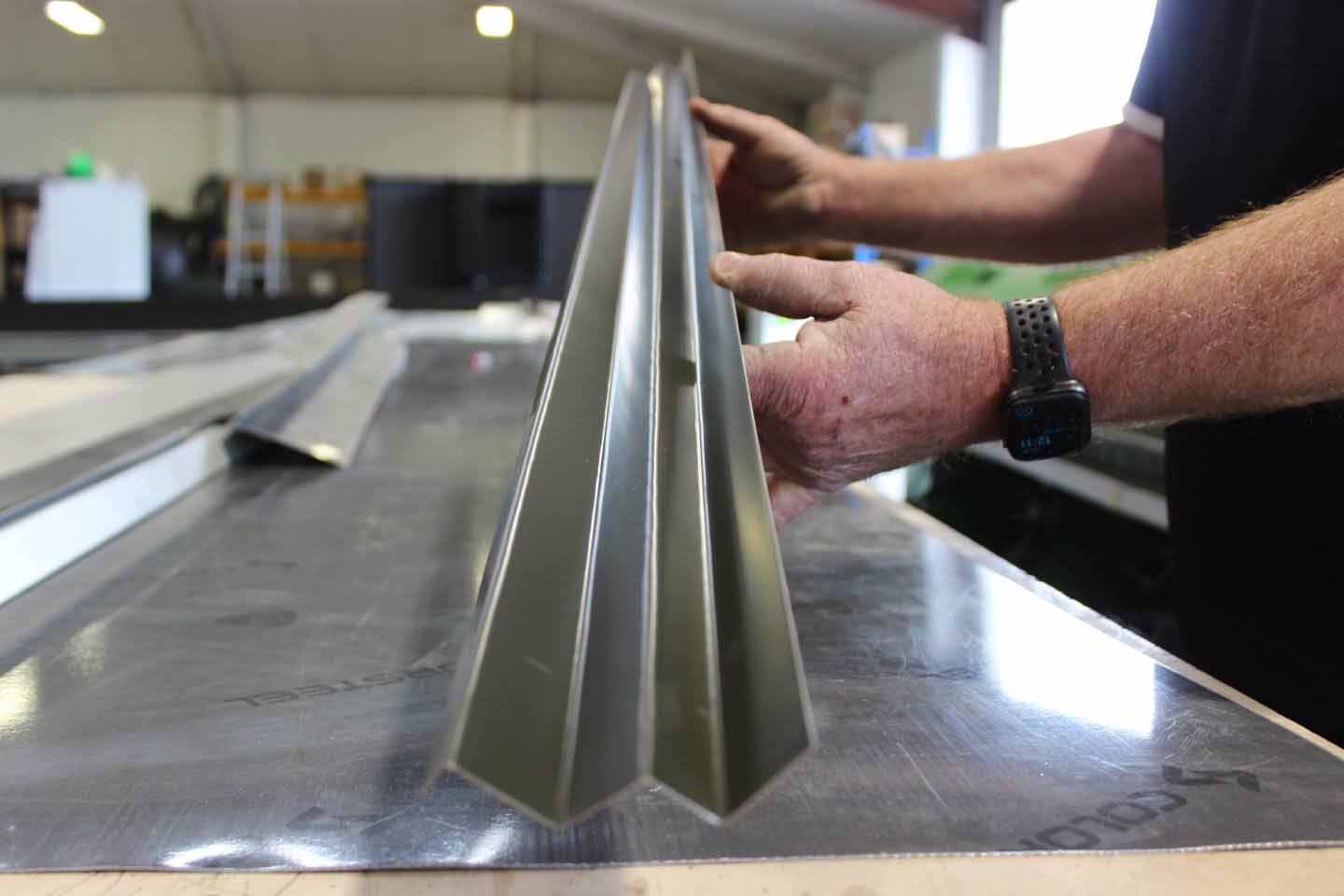
Pre-run spouting is sectional spouting that is already formed before it arrives on site. The lengths are then cut, fitted and joined during installation. It is a practical system for certain homes and can be a very good option when the roof suits standard sections or when we are matching an existing profile.
This type of spouting is often useful for smaller replacement jobs, repairs to older homes, or situations where a particular sectional profile is the best fit. Because it comes in pre-cut lengths, it can also be a sensible choice when the layout is straightforward and the job does not call for long continuous runs.
What Is Continuous Spouting
Continuous spouting in Christchurch is formed on site from a coil, which means we can run long lengths to suit the house rather than joining together shorter sections. The biggest difference is simple: fewer joins.
That matters because joins are where a lot of gutter problems start. Over time, seals fail, movement occurs, and leaks develop. Continuous spouting reduces those weak points and usually gives a cleaner finish as well.
When Pre-Run Spouting Makes Sense
Matching Existing Homes
Some Christchurch properties still have older sectional systems. In those cases, replacing a damaged section with a matching sectional profile can be the smartest path. We can source a wide range of spouting profiles and match many existing setups without forcing a full redesign.
Certain Profile Requirements
Not every profile is available as continuous spouting. If appearance or matching is driving the decision, pre-run may be the right call. This is especially true on older homes where the roofline already has a distinct style and the new work needs to sit in naturally.
Smaller Or Localised Jobs
If the work is limited to one area of the house, pre-run can be a practical and cost-effective option. There is no point overcomplicating a straightforward repair if sectional spouting will do the job properly and suit the rest of the house.
When Continuous Spouting Is The Better Choice
Full Re-spouts And New Builds
If you are replacing the whole system, continuous spouting is usually the stronger long-term option. It gives a tidier finish and cuts down on maintenance points. For new builds, it also allows us to create a cleaner roofline from the start.
Homes With Long Roof Runs
The longer the run, the more benefit you get from reducing joins. On broad rooflines or clean modern homes, continuous spouting usually looks sharper and performs better over time.
Homeowners Wanting Lower Leak Risk
This is the biggest reason people choose it. If you have dealt with drips at joins, recurring sealant failure or water staining around old sectional gutters, seamless lengths make a real difference.
What People Often Miss In This Comparison
The spouting itself is only part of the decision. Roof shape, valley load, outlet locations, fascia condition and colour choice all affect the outcome.
If the system is poorly designed, neither option will perform as it should. Correct fall still matters. Outlet placement still matters. Compatibility with the rest of the roofline still matters. That is why we look at the full drainage picture rather than simply asking which product sounds better on paper.
Appearance matters too. Spouting runs around the entire house, so the visual result is important. If you are also upgrading fascia or updating the exterior, a coordinated finish using the right spouting colour range can make a big difference. That ties in naturally with our blog on why custom fascia and spouting are worth the investment for NZ homes.
Talk To Us About The Right Fit
If you are weighing up pre-run spouting against continuous spouting in Christchurch, we can help you compare them properly. We also work with a wide range of spouting profiles and colours, so the end result performs well and looks right on the house.
If you want practical advice based on your roof rather than a generic sales line, get in touch with us for a quote.
Organisations We Are Affiliated With