
Clearwater

Internal Gutter Systems: Pros, Cons, and Maintenance Tips for Christchurch Homes

Internal gutter systems are common in many older Christchurch homes and in some commercial buildings. They are built into the roof structure rather than mounted externally along the fascia, which makes them discreet in appearance but also more complex to maintain. When internal gutters begin to fail, the damage is often hidden until the issue becomes serious. For that reason, regular upkeep and timely repairs are essential.

At Clearwater Spouting, we work with all types of internal gutter systems. We repair, assess, and maintain them, and we also help homeowners convert from internal gutters to modern external spouting when a long term solution is needed. This guide explains the benefits, drawbacks and maintenance tips for internal gutters, and when it may be time to consider an upgrade.

What Are Internal Gutter Systems?

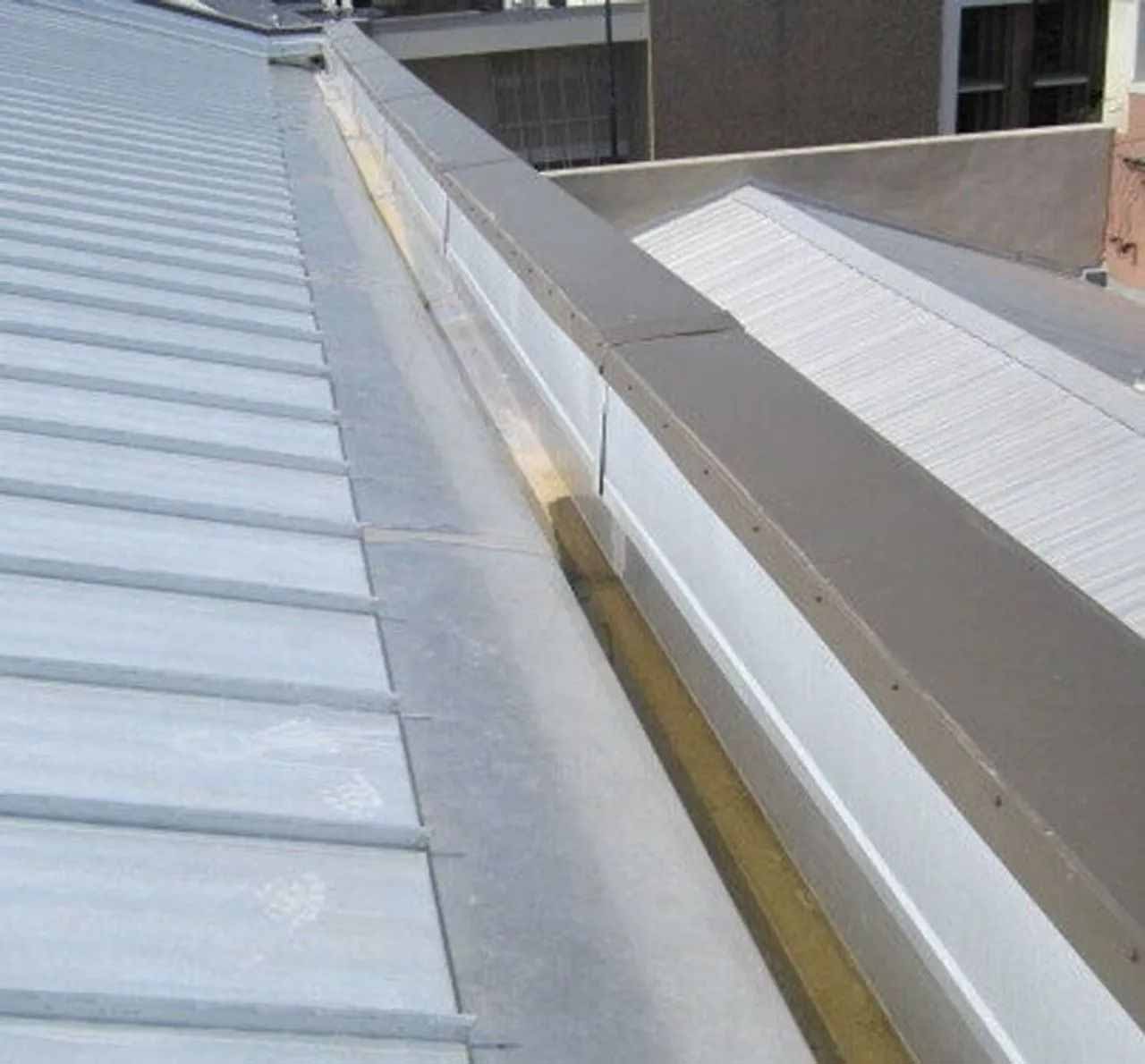
Internal gutters sit inside the roofline and are concealed behind parapets or roof edges. Instead of hanging on the outside of the building, they form a channel within the roof’s structure. These gutters collect water and direct it to rainheads and downpipes, often through concealed outlets.

Because they are built into the roof, internal gutters need to be completely watertight. Even minor leaks can allow water into the ceiling cavity, creating issues such as mould, damaged insulation and structural swelling. If you are unsure about the type of system your home has, our team can inspect it and provide recommendations through our services for internal gutters.

Pros of Internal Gutter Systems

1. Clean, Minimal Appearance

Internal gutters appeal to many architects because they are hidden from view. Without a visible spouting line, the roof edge looks streamlined. Homes with parapet walls often use internal systems for this reason.

2. Works Well With Certain Modern Designs

Internal gutters are sometimes the best choice for flat roofs or architectural builds where external spouting is difficult to position. Their concealed design can help achieve a contemporary look where visible guttering would disrupt the aesthetic.

3. Protected From Wind

Because internal gutters sit within the roof’s structure, they are shielded from strong winds. This reduces strain on brackets that external gutters experience.

Cons of Internal Gutter Systems

1. High Risk When Leaks Occur

The biggest drawback of internal gutters is the damage they cause when something goes wrong. A leak in an external spouting system drips outside the house. A leak in an internal gutter sends water into the roof cavity, where it often goes unnoticed until severe damage has already happened.

2. Difficult to Access and Maintain

Internal gutters sit behind roofing material, making them harder to inspect and clean. Debris, birds’ nests, roofing fragments and moss can build up inside them. Without regular checks, blockages form and water can overflow back into the roofline.

3. Limited Capacity in Heavy Rain

Many internal gutters were installed decades ago and may not meet modern capacity requirements. Christchurch’s intense downpours can overwhelm smaller internal channels, especially when paired with ageing downpipes or restricted outlets.

4. Costly Repairs

When repairs are needed, roofing often has to be lifted or replaced to access the gutter channel. This increases costs and complexity compared to external systems.

Because of these drawbacks, many homeowners are choosing to convert to an external spouting system. Clearwater Spouting explains this in more detail in our guide on how we convert internal gutters.

When Internal Gutters Should Be Repaired or Upgraded

If you have an internal gutter system, look out for the following warning signs:

  • Water stains on ceilings
  • Damp insulation or a musty smell in the roof cavity
  • Overflow during heavy rain
  • Drips near parapet walls
  • Bubbling paint or swelling timber
  • Repeated blockages in outlets or rainheads

Any of these issues indicate the system is struggling. Our team carry out repairs where appropriate or advise if a full upgrade is the better long term solution.

When to Consider Converting to External Spouting

Converting to external spouting is one of the smartest improvements you can make to an older home with internal gutters. It significantly reduces the risk of hidden water damage and makes future maintenance far easier. External systems have visible channels, a larger capacity for rain, and easy access for cleaning.

We offer custom continuous spouting which is manufactured onsite for a perfect fit. This style of spouting removes most joints, provides a smooth, modern finish and delivers reliable performance through Canterbury’s diverse weather conditions.

Maintenance Tips for Internal Gutter Systems

If you are keeping your internal gutters for now, regular upkeep is essential. Here are practical steps to reduce the risk of failure:

1. Schedule Routine Inspections

Have your gutters checked at least once a year, and after major storms. Because internal gutters are concealed, an experienced installer is needed to identify early signs of deterioration. Our team provides detailed assessments and can advise on repair options.

2. Keep Outlets and Downpipes Clear

Blockages are a common cause of overflow. Ensure rainheads, scuppers and downpipes are free from leaves, nesting material and moss. Upgrading outlets or adding larger capacity downpipes can also help.

3. Improve Water Flow

Your gutters should have a consistent, even fall towards the outlets. Any dips or pooling areas increase the chance of corrosion or overflow. In many cases, poor fall is a sign that the system is nearing the end of its life.

4. Consider Adding Protective Measures

Where possible, adding mesh or leaf protection near outlets reduces debris entry. Homes with overhanging trees may also consider installing our gutter guards on any associated external spouting.

5. Repair Issues Early

Small cracks or corrosion patches can quickly escalate in internal systems. Addressing problems promptly helps prevent water entering the structure.

Talk to Christchurch’s Internal Gutter Specialists

Regardless of if your internal gutters need repair, assessment or a full conversion to external spouting, Clearwater Spouting has the experience and specialised knowledge to ensure a reliable gutter or spouting solution. We work across Christchurch and the Canterbury region, supplying quality materials, professional installation and dependable advice.

Contact our Christchurch team for a free quote and let us help you protect your home with a safer and efficient guttering system.

When Should You Replace Your Spouting? A Christchurch Homeowner’s Guide

Spouting is one of those parts of the home that works quietly in the background. As long as rainwater flows away from the roofline, most homeowners do not give it much thought. In Christchurch, though, our mix of heavy downpours, cool winters and strong winds means your gutters work harder than you may realise. When spouting begins to fail, the effects are often noticed too late, once water has already damaged fascia boards, soffits or even the inside of your home.

Knowing when to replace your spouting is an important part of protecting your property. In this guide, our team outlines the key signs to watch for and explains why timely replacement can save you stress, money and future repairs.

Visible Rust, Cracks or Holes

If you can see rust spots, bubbling paint, cracks or small holes along the spouting, these are early warning signs that the material is breaking down. Rust in particular spreads quickly once moisture penetrates the coating, eventually creating openings that let water escape. Even small cracks can leak enough water to stain exterior walls or soak into fascia boards.

Minor damage may be repairable, but widespread deterioration is a sign the system is nearing the end of its life. Upgrading to a durable continuous spouting system ensures a long lasting solution with fewer joints and a much lower risk of future leaks.

Sagging, Bowing or Pulling Away

Sagging gutters usually indicate a larger issue than simple wear and tear. When spouting pulls away from the fascia or bends under the weight of water and debris, it means the brackets and fixings are no longer able to support the overall system. Sometimes the fascia behind the gutter has softened due to water exposure, which makes it difficult for screws to hold firm.

If you see movement or dipping sections, your gutter alignment is already compromised. This affects water flow and contributes to overflows during rain. Our team can assess whether the issue requires reinforcing hardware or whether it is more cost effective to replace the full run. You can learn more about compatible spouting shapes and styles.

Frequent Overflows or Pooling Water

If your gutters regularly overflow even after cleaning, this is a strong indicator that the spouting is no longer performing as intended. Water that sits in the gutter for too long can cause corrosion, sagging and staining of the fascia or soffits. Christchurch’s sudden downpours put pressure on older systems that may not have the capacity or slope required to move water efficiently.

Overflowing water that lands near the base of the house can also cause foundation issues over time. A full inspection will reveal whether adjustments can be made or whether a complete replacement using modern profiles is the best long term approach. Pairing your new gutters with downpipes and rainheads ensures the entire system works smoothly together.

Leaks at Joints and Corners

Sectional spouting often fails at the joints. Sealant breaks down with age, movement and temperature changes, which creates gaps where water escapes. If you find yourself repeatedly resealing or repairing the same areas, it is usually more economical to replace the system rather than continue patching.

Replacing joins with seamless lengths through continuous spouting eliminates most leak points altogether. With only corner fittings to seal, your new gutter system will handle rain more reliably and reduce the chances of hidden moisture damage developing behind the roofline.

Water Damage on Fascia or Soffits

Watermarks, peeling paint or soft spots on fascia boards and soffits are signs that water is escaping behind the gutter instead of through it. This can happen when the spouting is misaligned, when back flashings have deteriorated, or when the system has lost its correct fall.

Extensive damage often requires both gutter and fascia replacement. Upgrading the fascia with a modern metal cover at the same time as installing new spouting creates a clean, long lasting finish. If your property still has internal gutters, our team can also advise on converting to a healthier external system.

Persistent Clogs and High Maintenance

If you are cleaning your gutters more than a few times a year, there may be an underlying issue. Narrow profiles, poor installation or older systems are more prone to trapping debris. Spouting that frequently clogs puts extra strain on brackets and can cause ongoing overflows.

A new gutter system with improved sizing, correct fall and a clean internal surface can significantly reduce maintenance needs. Homeowners in leafy suburbs can also add gutter guards to reduce debris build up and improve long term performance.

Your Spouting Is Over 20 Years Old

Even with good care, most metal spouting has a lifespan of around two decades. If your gutters are approaching or past this age, consider a replacement before major issues develop. Modern systems come in a wide range of colours and profiles, designed to suit both contemporary and traditional homes.

At Clearwater Spouting, we fabricate spouting onsite for a precise, custom fit. This approach minimises waste, improves performance and provides you with a tidy, seamless finish that enhances your home’s exterior.

Talk to Christchurch’s Spouting Specialists

Spouting issues rarely stay small. A minor leak can turn into rotten fascia. A sagging segment can divert water straight into the soffit cavity. The earlier you address the problem, the less likely you are to face larger structural repairs later. Replacing your gutters at the right time not only protects your home but also lifts its appearance and value.

If you are unsure whether your gutters need repairs or full replacement, we are here to help. We provide honest assessments, high quality workmanship and tailored solutions for homes across Christchurch and Canterbury.

Contact our Christchurch team for a free quote today and let us keep your home protected through every season.

Continuous Spouting vs Traditional Systems: Which Is Better for Christchurch Homes?

If you own a home in New Zealand, you already know how important a reliable spouting system is. Our mix of coastal winds, heavy showers and cold winters can quickly expose any weaknesses in an ageing or poorly installed guttering setup. When the time comes to replace your spouting, one of the biggest decisions is choosing between a traditional sectional system and modern continuous spouting.

Both have their place, but the right choice depends on your roofline, your long-term plans and how much maintenance you want to deal with. 


In this guide, we break down the key differences so you can feel confident you’re making the smartest, most durable and most cost-effective choice for your property.

What Is Traditional Sectional Spouting?

Traditional guttering is installed in segments. Each length is cut to size, then fixed together on site using joins, brackets and sealants. This has been the standard method for decades and is still used for many homes, especially those with complex rooflines that require a range of profiles.

Sectional spouting is typically made from COLORSTEEL® and ColorCote. While it can be cost effective in the short term, the joins are the weak point. Over time, sealant breaks down, movement occurs at the joints and small leaks begin to appear.

What Is Continuous Spouting?

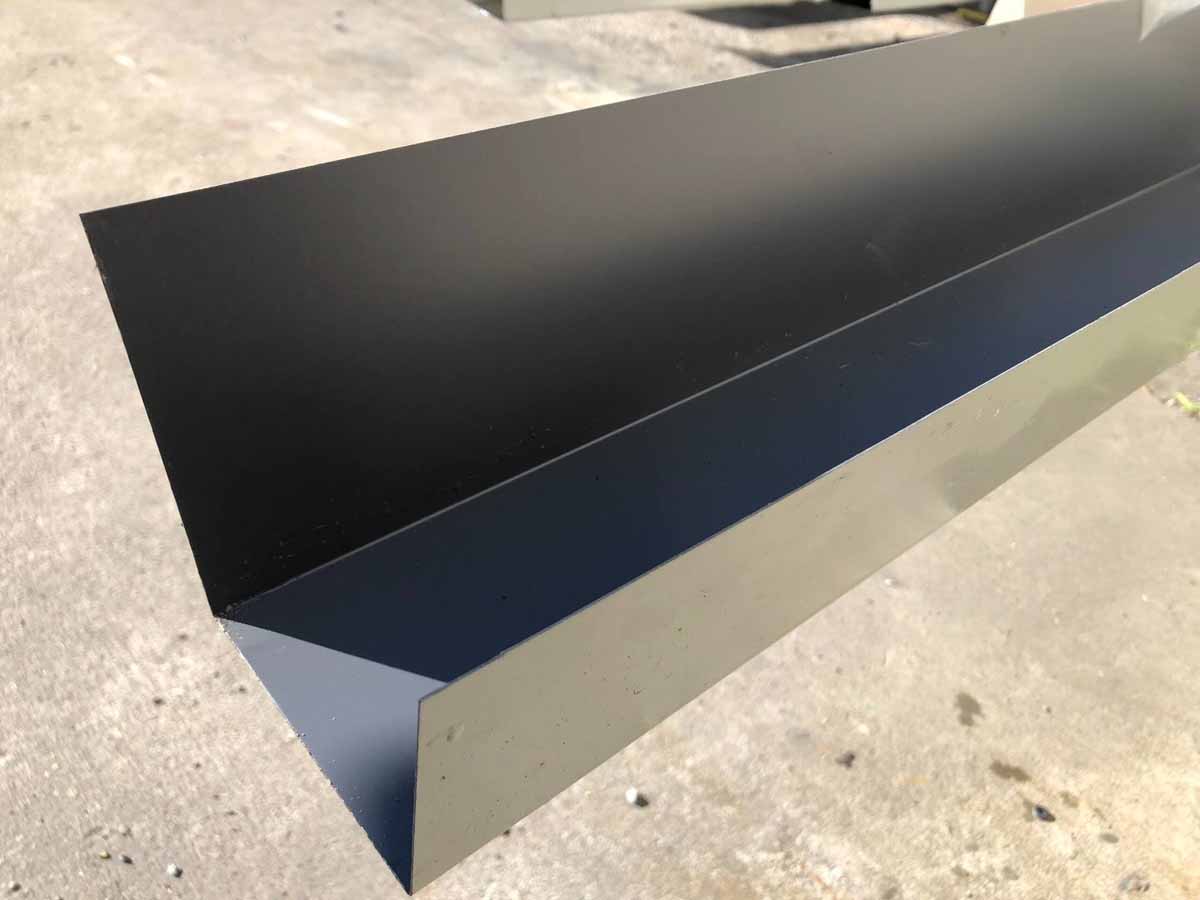
Continuous spouting is manufactured onsite using a mobile machine that runs custom lengths directly from a coil of steel. Instead of multiple pieces joined together, each run of spouting is made as one seamless length that fits your home perfectly. Fewer joints means fewer opportunities for leaks and a cleaner look overall.

At Clearwater Spouting, our team manufactures continuous spouting in a range of durable materials and profiles, all produced on site for a perfect fit.

Key Differences: Continuous vs Traditional Spouting

1. Water Tightness and Leak Prevention

This is where continuous spouting stands out. Traditional systems may have a join every three to six metres. Every join is a potential leak point once sealant starts to age.

Continuous spouting removes those weak points. With only corner junctions and end stops to seal, the entire system is far more reliable in wet conditions. Canterbury homeowners in particular benefit from this extra protection during heavy rain and wind driven weather.

If your home has visible leaks at joints or persistent drips long after the rain has stopped, it may be time to shift to a more reliable solution.

Compare available shapes and spouting profiles.

2. Appearance and Street Appeal

Continuous spouting has a clean, tidy finish because there are no visible joins every few metres. The single piece design creates a smooth line that makes the roof edge appear straighter and more modern.

Traditional spouting can still look great when new, but over time joins may shift or sag slightly, creating uneven lines. This becomes more noticeable on older homes or areas exposed to direct sun.

For homeowners wanting a high-end finish, particularly when renovating or re roofing in Christchurch, continuous systems are usually the better choice.

3. Durability and Maintenance

Traditional systems require more maintenance over time as joins must be re-sealed, aligned or replaced. Even one failing section can lead to leaks behind the fascia or into the soffits.

Continuous spouting is designed to reduce those common maintenance issues. With fewer components to fail, homeowners can expect longer service life and less frequent repairs. This is especially true when paired with quality materials and properly fitted flashings to keep water out of vulnerable areas.

If you want a low maintenance system that can stand up to decades of Canterbury weather, continuous spouting typically wins.

4. Cost Considerations

Traditional sectional spouting can be slightly cheaper to install upfront because materials are produced in standard lengths. Labour costs may also be lower for simple rooflines.

Continuous spouting may have a higher initial price, but the reduced maintenance, longer lifespan and fewer repairs often make it more cost effective over time. When you factor in the reduced risk of water damage, the long term value becomes clear.

Homeowners replacing their gutters during a larger renovation also find that continuous spouting complements upgrades to fascia and downpipes. Explore our internal gutter and fascia options.

5. Suitability for Different Homes

Both systems have their place.

Continuous spouting is ideal for:

  • Modern homes with long straight runs
  • Older homes needing a full exterior refresh
  • Properties exposed to high rainfall or wind
  • Homeowners wanting a clean, seamless finish

Traditional spouting is suitable for:

  • Complex rooflines where multiple short sections are unavoidable
  • Homes needing a fast, affordable and effective fix
  • Repairs to existing sectional systems rather than full replacement

Which System Is Better for NZ Homes?

For Canterbury homeowners, continuous spouting delivers the best performance and long term value. It reduces the risk of leaks and requires less maintenance over its lifespan.

Traditional spouting still has its place in certain builds, especially those with rooflines that benefit from shorter segments or where affordability is a priority. However, the ongoing costs of repairing joints and the increased risk of leaks mean many homeowners are choosing continuous systems when upgrading.

Ready for an Upgrade?

If your gutters are leaking, sagging or showing signs of age, it may be the right time to consider switching to a continuous system. Clearwater Spouting manufactures spouting onsite for a precise fit, and our team can recommend the right profile for your home.