
Clearwater

Choosing Your Spouting Colour: How to Match Roof, Brick, and Joinery Without Regrets

Choosing the right spouting colour seems simple at first, but has a lasting impact on your home’s appearance. Your spouting runs around the entire roof. If the colour feels out of place, it is noticeable from the street. When it is chosen well, it ties the roof, brickwork and joinery together in a clean, balanced way.

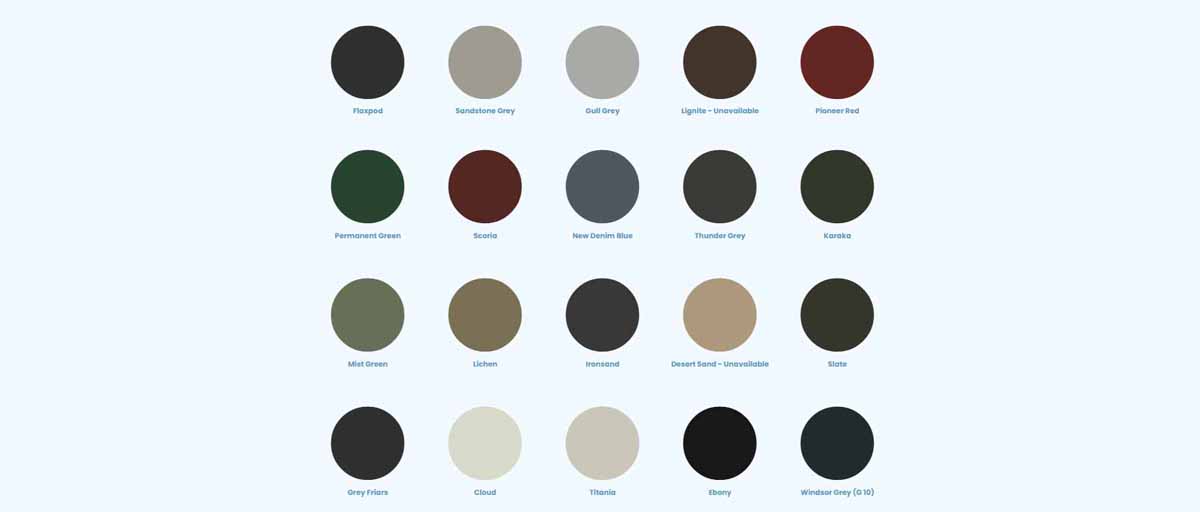
At Clearwater Spouting, we help Christchurch homeowners select colours that suit their property, not just what looks good in a brochure. Using our colour palette, you can choose from a wide range of durable, pre-painted finishes designed to handle NZ conditions. Below is a practical guide to selecting the right shade with confidence.

Start With the Roof

Your roof is usually the largest visible surface on your home, so it makes sense to start there. In most cases, matching or closely coordinating your spouting with your roof creates a cohesive look.

ironsand-blog-img-1
flaxpod-blog image 1

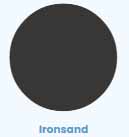
If you have a dark roof such as Ironsand, Ebony or FlaxPod, choosing the same or a very similar tone for your spouting creates a seamless roofline. This works particularly well on modern homes where clean lines are important.
gull grey - new blog image 1

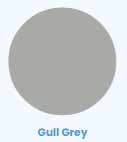
For lighter roofs such as Grey Friars or Gull Grey, matching the spouting keeps everything understated and tidy. The goal is not to create contrast at the roof edge unless you are deliberately aiming for that effect.

When you install continuous spouting, the smooth lines make colour selection even more noticeable. A well-matched tone enhances that uninterrupted finish.

Consider Your Brick or Cladding

Brick homes are common throughout Christchurch, and colour choice needs to complement the tones within the brick rather than clash with them.

grey - friar - neww blog image 1

For warm red or brown brick, deeper neutral colours such as Lignite, Ironsand or Grey Friars often work well. These shades anchor the roofline without competing with the brick’s warmth.

For lighter plaster or weatherboard homes, softer greys and off-whites create a clean and contemporary feel. In some cases, homeowners prefer to match spouting to fascia or trim rather than brick, which can create a crisp border around the roof.

If you are replacing older spouting during a renovation, it is also worth considering whether your new colour will complement future exterior updates. Choosing a versatile neutral from our spouting profiles ensures flexibility down the track.

Match or Complement Joinery

Window and door joinery often guide the final decision. If your aluminium joinery is black, charcoal or dark bronze, matching your spouting to that tone can create a coordinated look across the home.

For homes with white or cream joinery, matching the fascia and spouting to that trim can make the roofline feel lighter and more defined. This approach works particularly well on villas and traditional homes.

Be cautious about introducing too many contrasting colours. If your roof, brick and joinery are already varied, the spouting should usually support rather than compete.

Decide Whether You Want Contrast or Blend

There are two main approaches when selecting spouting colour:

Blend In:
Matching roof and spouting creates a unified appearance. This is popular in contemporary builds and helps the home feel streamlined.

Add Definition:
Choosing a slightly different tone can define the roofline and highlight architectural features. For example, pairing a mid-grey roof with slightly darker spouting can add subtle depth without overpowering the design.

In Christchurch suburbs with mixed housing styles, blending is often the safest choice. It reduces the risk of colour regret and ensures your home remains visually balanced over time.

Think About Sunlight and Weathering

Christchurch has strong sunlight during summer and clear winter light that can shift how colours appear. Darker shades absorb more heat and can look more intense in bright conditions. Lighter shades may appear brighter than expected.

It is helpful to view colour samples outdoors against your existing materials before making a final decision. Keep in mind that high-quality pre-painted steel maintains its finish well, especially when installed and maintained correctly.

We recommend pairing your chosen colour with proper detailing, including compatible flashings, to ensure both appearance and performance are consistent across the roof edge.

Internal Gutters and Colour Choices

If your home has internal or box gutters and you are considering conversion, colour choice becomes even more important. Converting to external spouting gives you the opportunity to update the entire roofline appearance.

Our team provides inspection and advice through internal gutter servicing, helping homeowners decide whether to retain or convert their system. When converting, selecting a colour that complements both the roof and walls ensures the upgrade feels intentional rather than added on.

Safe Colour Combinations for NZ Homes

If you want combinations that consistently work well in Canterbury conditions, here are some reliable pairings:

  • Dark charcoal roof with matching charcoal spouting
  • Mid-grey roof with slightly darker fascia and spouting
  • Warm red brick with deep neutral grey spouting
  • White plaster exterior with Gull Grey or similar soft grey spouting
  • Black joinery paired with Ironsand or Ebony spouting

Talk to Christchurch’s Spouting Specialists

Choosing the right spouting colour is easier when you have experienced guidance. At Clearwater Spouting, we help homeowners compare options, assess how colours will sit against their existing materials, and install systems that look as good as they perform.

If you are upgrading, replacing or converting your spouting, contact our Christchurch team for a free quote. We will help you select a colour and system that suits your home today and well into the future.
Copper Spouting for NZ Homes: Patina, Longevity, and Compatibility Tips

Copper spouting has long been associated with quality, character and architectural presence. While it is often seen on heritage villas and high-end builds, it is becoming increasingly popular across modern Christchurch homes as well. Beyond appearance, copper offers durability and long-term performance that few other materials can match.

At Clearwater Spouting, we install and fabricate copper systems tailored to the specific needs of each home. In this guide, we explain how copper develops its distinctive patina, how long it lasts in New Zealand conditions, and what factors homeowners should consider before investing.

Why Copper Spouting Stands Out

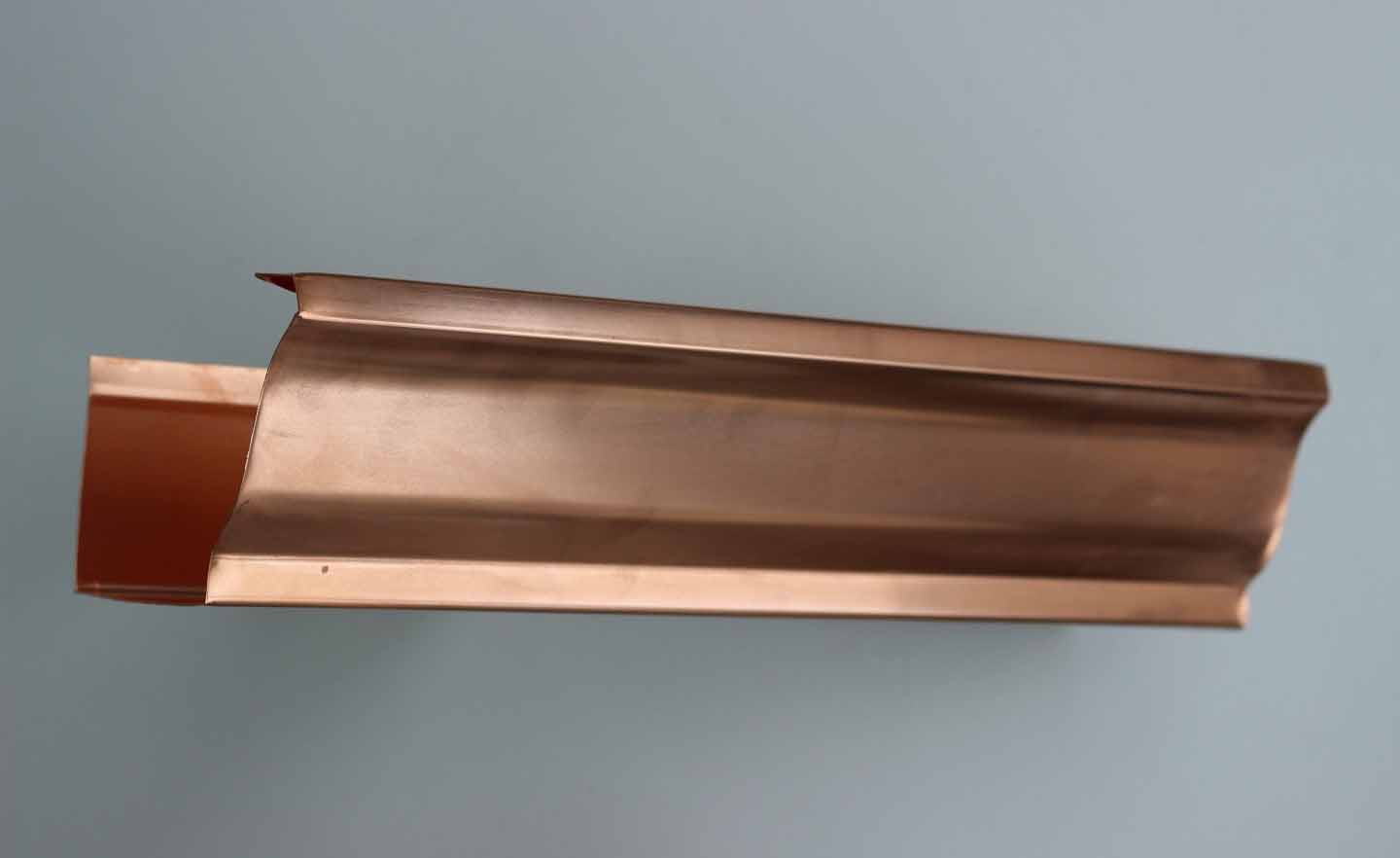
Unlike pre-painted steel or aluminium, copper is a natural metal that changes over time. When first installed, copper has a warm, reddish tone that complements timber, brick and modern cladding alike. Over months and years, exposure to air and moisture causes it to oxidise, gradually darkening and eventually forming a protective green patina.

This ageing process is not a defect. It is one of copper’s greatest strengths. The patina layer protects the underlying metal from corrosion, making copper one of the longest-lasting spouting materials available.

If you are considering upgrading to copper, you can view our contemporary copper spouting solutions to see how it works across different homes.

Understanding Copper Patina in NZ Conditions

New Zealand’s climate plays a significant role in how copper weathers. In coastal areas, salt in the air can accelerate the oxidation process. In inland areas such as Christchurch, copper tends to darken gradually before developing a soft green finish over time.

The timeline varies depending on rainfall, exposure to wind and nearby vegetation. Homes sheltered from the elements may retain their darker bronze tone for longer, while exposed homes transition quicker.

Importantly, the patina layer acts as a natural shield. Once formed, it reduces the risk of rust and helps the system withstand decades of weather exposure. This self-protecting characteristic is a key reason copper systems are known for longevity.

How Long Does Copper Spouting Last?

When installed correctly, copper spouting can last 50 years or more. In many cases, it outlives the roof it is attached to. Unlike steel systems that rely on coatings to prevent corrosion, copper does not require repainting or surface treatment.

This makes it particularly appealing for homeowners who want a low-maintenance, long-term solution. Although the upfront cost is higher than standard spouting, the lifespan and reduced maintenance often make it cost-effective over time.

At Clearwater Spouting, we fabricate copper to precise lengths and install it carefully to allow for natural expansion and contraction. Proper installation ensures maximum durability and reduces the risk of stress at joints or brackets.

Copper Spouting Compatibility

While copper is durable, it must be installed with care to avoid compatibility issues. Certain materials react when in direct contact with copper, particularly some types of steel or zinc-coated components.

1. Avoid Dissimilar Metal Contact

When water runs from copper onto galvanised steel, it can cause accelerated corrosion in the lower material. This means downpipes, flashings and fixings need to be carefully matched. We ensure that compatible materials are used throughout the system.

2. Roof Material Matters

Copper works beautifully with slate, tile, and many metal roofing profiles. However, runoff from treated timber or certain roofing materials may affect the surface over time. Our team assesses your roof and surrounding elements before installation to ensure compatibility.

3. Internal vs External Systems

Copper is primarily used for external spouting systems where it can weather naturally. If you have an internal or box gutter system, it may be possible to line or convert it depending on the structure. We provide inspection and advice through our internal gutter service if you are unsure which approach is best.

Copper and Continuous Spouting

Many Christchurch homeowners prefer continuous systems because they reduce the number of joins. While copper can be installed in sectional lengths, custom fabrication allows for longer runs with fewer joints, reducing potential leaking points.

Continuous systems also enhance the clean architectural line that copper naturally provides. If you are comparing options, learn more about our continuous spouting services in Christchurch.

Maintenance Tips for Copper Spouting

One of copper’s advantages is that it requires minimal maintenance. However, a few simple practices will help preserve its performance:

  • Keep gutters clear of heavy debris to prevent water pooling
  • Avoid aggressive cleaning chemicals that may affect the patina
  • Check brackets and fixings annually
  • Ensure downpipes remain free-flowing

Installing gutter guards can also reduce leaf build-up and limit the need for frequent cleaning, particularly in leafy Christchurch suburbs.

Is Copper Right for Your Home?

Copper spouting suits a wide range of properties:

  • Character villas and heritage homes
  • Architecturally designed builds
  • Homes with timber, stone or brick exteriors
  • High-end renovations seeking long-term value

It may not be necessary for every property, but for homeowners wanting durability and distinct visual appeal, copper stands apart. The investment is higher upfront, yet the long lifespan, minimal maintenance and architectural presence often justify the cost. It also adds a premium feel that can enhance resale value.

Talk to the Christchurch Spouting Specialists

Choosing the right spouting system is about more than appearance. It must perform reliably through Christchurch’s weather conditions and suit your home’s structure. At Clearwater Spouting, we can assess your roofline, recommend compatible materials, and fabricate copper systems tailored to your property.

If you are considering copper spouting or comparing it with other options, contact our team for guidance and a free quote.