

Clearwater

7 Signs It’s Time for a Gutter Replacement in Christchurch

Your gutters are a critical part of protecting your home from heavy rain and strong winds. When they start showing signs of wear, like leaks, rust, or sagging – it’s probably time to replace them. Replacing ageing gutters promptly helps prevent water damage, foundation issues, and costly repairs down the track. If you’re noticing small issues, now is the ideal time to upgrade to a reliable, long-lasting spouting system to keep your home protected.

Below, we break down the common warning signs that it’s time for a gutter replacement and what to do next.

1. Visible Rust, Cracks or Holes

A bit of surface wear is normal, but visible rust, bubbling paint or small holes are clear signs that your gutters are failing. When water seeps through damaged areas, it can drip behind the fascia or into wall cavities, causing timber rot and mould growth.

At Clearwater Spouting, we see this most often on older galvanised steel systems. If your gutters are showing rust spots or pinhole leaks, it’s worth upgrading to a modern solutions like continuous spouting in COLORSTEEL® or ColorCote for longer-lasting protection and a cleaner finish.

2. Gutters Sagging or Pulling Away

If your gutters are sagging or have started to pull away from the fascia, it means the brackets and fixings are no longer secure. Water buildup, debris weight and corrosion all add strain to these fittings over time. Once they loosen, water can no longer flow properly to the downpipes and may pool in low spots.

Sagging gutters often indicate structural fatigue or damage that cleaning alone won’t solve. Replacing the system with properly aligned, custom-made spouting profiles ensures water flows freely without overflow or pooling.

3. Persistent Leaks at Joints and Corners

If you’ve repaired the same leak more than once, it’s time to stop patching and start replacing. Joints and corners are the most common places for leaks to form, particularly in older sectional guttering. Expansion, contraction and old sealant eventually create gaps that let water escape.

Upgrading to seamless, one-piece flashings and continuous spouting greatly reduce weak points. With fewer joins, your system stays watertight through years of temperature changes and heavy rain.

4. Water Damage on Fascia, Soffits or Cladding

Peeling paint, dark streaks or swelling timber along your fascia or soffits are signs that water is running behind your gutters instead of through them. This often points to poorly fitted gutters, deteriorating back flashings or insufficient slope along the run.

Our team can inspect your setup and recommend whether a full gutter replacement or a complete internal gutter conversion is best. Modern external systems are easier to maintain and less prone to hidden leaks.

5. Overflowing Gutters Even After Cleaning

Overflowing during heavy rain can happen when gutters are simply blocked. But if you’ve cleared the debris and they still overflow, the problem could be insufficient capacity or poor alignment. A gutter that’s too narrow or lacks adequate fall can’t keep up with Christchurch’s downpours.

In these cases, switching to a deeper or wider profile such as a Box or Quad style provides the extra volume needed for proper drainage. Pairing the upgrade with gutter guards also reduces future blockages and maintenance.

6. Corrosion or Wear Around Downpipes

Downpipes often fail before the rest of the gutter system. If you notice rust where the downpipe meets the gutter or see staining on the wall beneath it, water may be escaping before reaching the stormwater system. This can erode garden beds or foundations.

Replacing downpipes at the same time as your guttering ensures a complete solution. We can fit matching materials and colours so the entire system performs consistently and looks cohesive.

7. Your Gutter System Is Over 20 Years Old

Even the best-installed spouting has a lifespan. In Christchurch’s variable weather, gutters can only take so much expansion, contraction and moisture. If your system is approaching or past the 20-year mark, a full assessment is worthwhile.

At Clearwater Spouting, we manufacture and install long-lasting, low-maintenance guttering designed for Canterbury homes. With traditional profiles, copper finishes, or durable Colorsteel systems, we can replace your old gutters with something that blends strength and style.

Why Timely Gutter Replacement Matters

Delaying gutter replacement can quickly lead to more problems. When water starts seeping behind the fascia, it can spread to the eaves and internal framing and turn a simple fix into an expensive structural repair. Upgrading your gutters promptly stops this damage in its tracks and helps protect your roof, walls and foundation.

Replacing your spouting is also a chance to refresh your home’s exterior. Modern gutter systems come in a wide range of colours and profiles, allowing you to match your roofline or give your property a clean, updated look that boosts street appeal.

When to Call the Professionals

If you’ve noticed any of these warning signs, now is the time to book a professional inspection!

The team at Clearwater Spouting can assess your system, outline the most effective replacement options and provide a free, no-obligation quote. We supply and install everything you need, from flashings and downpipes to complete continuous spouting systems.
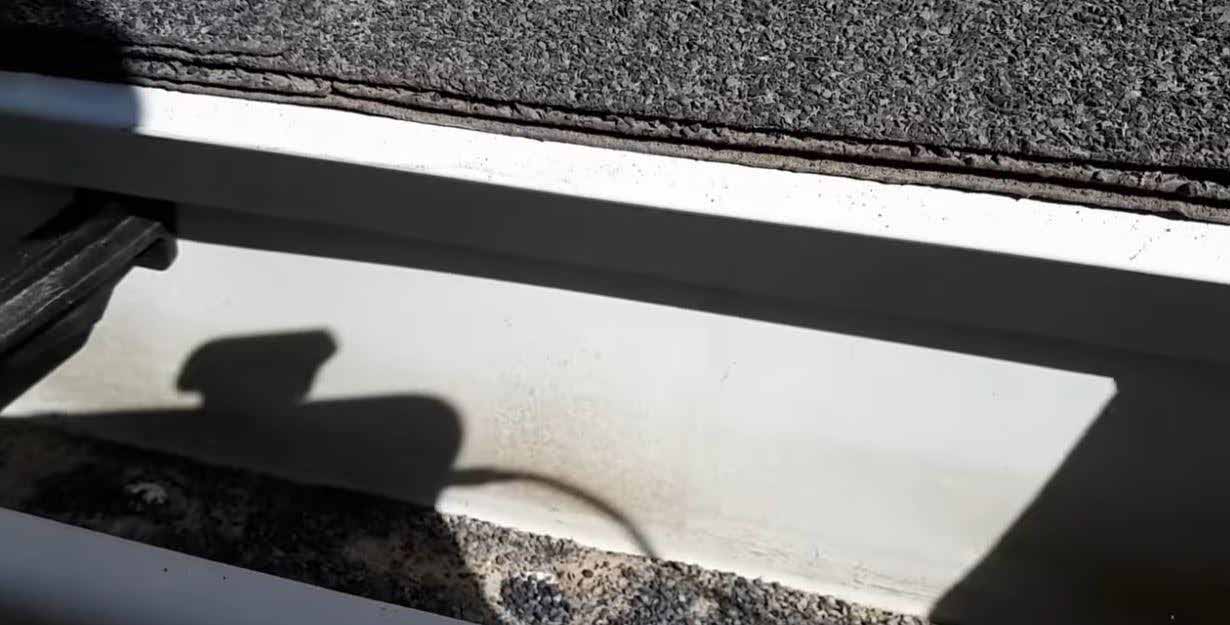
What is Gutter Flashing and Why is It Important?

When you think about keeping rainwater out of your home, spouting and downpipes are usually top of mind. These channels are essential for directing water off your roof and away from your foundation. 

However, there is another quiet hero that sits between the roof edge and the gutter, though. This is the gutter flashing. In this guide we’ll explain what gutter flashing is, why it matters for New Zealand homes and how it fits into your overall rainwater management system.

Understanding Roof and Gutter Flashings

Roof flashing is a general term for thin metal strips that protect vulnerable intersections on a building. You will find flashing where the roof meets a wall, around chimneys, at valleys and along the edges of the roof. These pieces are cut and folded to create a watertight barrier that stops wind‑driven rain from sneaking under roof claddings or into wall cavities. Gutter flashing is installed along the lower edge of the roof under the first course of roofing material. It sits above the back of the gutter and directs water into the gutter channel rather than behind it. In a well‑designed system, the flashing bridges the gap between the roofing and the spouting so moisture is always shed outward.

At Clearwater Spouting we manufacture our own flashings in our Woolston factory. Because we cut and shape each piece on site, we can match the material and colour of your continuous spouting or any spouting profile perfectly. Flashings are installed at joints and corners to create a continuous moisture barrier. Without them, water can get behind your gutters, soak into timber fascia and soffits, and eventually enter the walls or ceiling.

The Anatomy of a Gutter Flashing

Most gutter flashings are made from corrosion‑resistant metals such as COLORSTEEL®, ColorCote, Zincalume or copper. They come in strips that are folded to form two legs: one leg tucks under the roofing material, while the other extends over the back of the gutter. When rain runs off the roof, it hits the flashing, drops into the gutter and flows down the downpipes. Because the flashing sticks out beyond the fascia, any water clinging to the underside of the roofing cannot travel back toward the timber. The flashing also protects the edge of the roof sheathing from splashback and directs drips away from the cladding.

Our installers take care to ensure the flashing overlaps the spouting correctly and is fixed securely. If you’re replacing old spouting with a modern continuous spouting system or upgrading to a new colour palette to match your home, we’ll make sure the flashing is updated at the same time.

Why Is Gutter Flashing So Important?

1. Protecting Fascia and Soffits

Timber fascia and soffits are vulnerable to decay when exposed to moisture. Without flashing, water that runs off your roof can wick behind the gutter via capillary action or be driven by wind. Over time the constant dampness causes paint to peel, timber to soften and mould to develop. Rotting fascia not only looks unsightly but can lead to costly structural repairs. A simple strip of metal stops this by directing water away from these elements.

2. Preventing Interior Leaks

You might not associate a roof leak with your gutters, but many leaks begin at the roof edge. If water is allowed behind the gutter it can enter the roof underlay and trickle down into wall cavities. When enough moisture accumulates, it finds its way into your home as damp patches, stains or bubbling paint. Properly installed flashing creates a watertight barrier that blocks this path before it starts.

3. Complying with Building Standards

New Zealand’s Building Code requires weather‑tight detailing at all external junctions [nf], including roof edges. Professional flashings help your home meet E2 moisture performance requirements. Councils and insurance providers may require evidence of adequate flashing for new builds or major renovations. Investing in quality materials and skilled installation now protects your compliance in the future.

Signs Your Gutter Flashing Needs Attention

Because flashing is tucked under the roofing, you may not notice problems until damage has already occurred. Here are some signs that your gutter flashing may need repair or replacement:

  • Peeling paint or rot along fascia and soffit boards: moisture behind the gutter often leads to bubbling or flaking paint and soft timber.
  • Water stains under the roofline: stains on exterior cladding or interior ceilings near the roof edge can indicate water infiltration from the gutter line.
  • Sagging or pulling gutters: when water bypasses the gutter it can saturate timber and cause nails or screws to loosen, making the gutter sag.
  • Rust or corrosion at the roof edge: moisture trapped between the roofing and the gutter may corrode metal roofing or nails.
  • Visible gaps between the roof and the gutter: you should not be able to see daylight between your roof cladding and the back of the gutter. A missing or improperly installed flashing can leave this gap.

If you notice any of these issues, it may be time to call in an expert. Our team at Clearwater Spouting offers inspections and maintenance for both internal gutter & fascia systems and external spouting. We’ll check your flashing and recommend repairs or replacement as needed.

Get in Touch with Clearwater Spouting Today

If you’re replacing old spouting or notice signs of moisture damage near your gutters, it’s worth checking the condition of your flashings. Clearwater Spouting designs, manufactures and installs customised flashing and spouting systems for homes across Canterbury. Our team can inspect your existing setup and recommend upgrades or repairs to keep your roofline watertight. Learn how quality flashing can extend the life of your spouting and protect your home for years to come.

How to Properly Clean and Maintain Your Gutters (NZ Homeowner’s Guide)

Rain is a constant companion in Aotearoa, especially here in Canterbury. While a good downpour keeps our gardens green, it can wreak havoc if it isn’t directed away from your home. Your gutters are your first line of defence, as they quietly channel water off your roof and away from your walls, foundations and landscaping. When they’re clogged or damaged, leaks, rot and mould quickly follow. This guide explains why regular gutter care matters, shows you how to clean your gutters safely and offers tips to keep them in top condition.

Why Gutter Maintenance Matters

Gutters aren’t the most glamorous part of your home, but they’re essential. Their job is to collect rainwater from the roof and direct it through spouting and away from your house. When that flow is interrupted, water finds other paths, like down exterior walls, into soffits and wall cavities, or onto paths and decks. Left unchecked, even a small blockage can lead to:

  • Water damage and leaks – overflowing gutters allow water to soak into cladding, roofing and framing. Persistent moisture breeds mould and can compromise structural timber.
  • Rotting fascia and soffits – when moisture sits against timber it accelerates rot and swelling.
  • Foundation and landscaping issues – water pooling near your home undermines foundations and erodes garden beds.
  • Pest infestations – birds, rodents and insects love clogged gutters full of organic matter.

Regular cleaning prevents these problems and extends the life of your spouting. Modern solutions such as continuous spouting reduce the number of joints where leaks can start, but even seamless systems need occasional attention to remove debris.

Safety First: Prepare Before You Climb

Before you grab the ladder, gather the right tools and take steps to keep yourself safe. Working at heights can be dangerous, so never attempt a task you don’t feel comfortable with. If your house is more than a single storey or your roof has a steep pitch, consider calling a cleaning specialist.

Equipment checklist:

  • Stable ladder – choose an extension ladder tall enough to rest safely against your home. Use ladder stays to prevent damage to guttering and always position the ladder on firm, level ground.
  • Gloves and protective eyewear – gutters can hide sharp edges, nails and insects, so protect your hands and eyes.
  • Bucket or garden bag – have something on hand to collect leaves and debris. A small scoop or plastic trowel makes the job easier.
  • Garden hose with spray nozzle – you’ll need this to flush the gutters and check for proper water flow.
  • Helper – ask someone to steady the ladder and pass tools to you. It’s always safer with two.

If you’re uncomfortable working from a ladder, a long‑handled telescopic tool can help you scoop debris while standing on the ground. For large jobs or properties with multiple levels, consider getting a free quote from a qualified spouting installer who will bring specialist equipment.

Step-by-Step Guide to Cleaning Your Gutters

Cleaning gutters isn’t complicated, but taking a methodical approach ensures you do a thorough job:

  1. Inspect your gutters before you start. Walk around your home and look for obvious issues. Check for sagging, loose brackets, rust, peeling paint or water stains on fascia boards. These are signs you may need more than a clean.
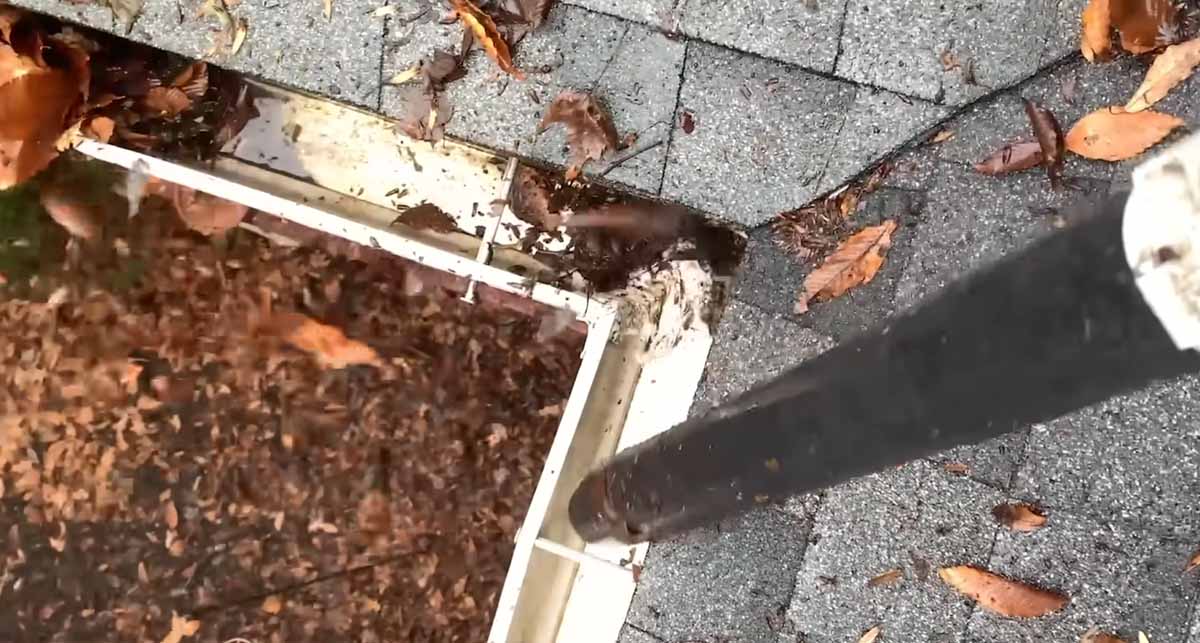
  2. Remove loose debris by climbing the ladder and scooping out the leaves, twigs and moss. Work in small sections, moving the ladder often to avoid over‑reaching. Don’t forget valleys where roof slopes meet; they can funnel debris into the gutter.
  3. Check downpipes aren’t blocked by inserting the hose and running water. If water backs up, try gently tapping the pipe or using a plumber’s snake to clear the blockage. Harder blockages might require dismantling sections or calling a professional.
  4. Flush the guttering once most debris is gone. Use the hose to rinse the gutters from the high end. This flow should carry away small particles. Watch the downpipes to confirm good flow. Look for leaks or drips at joints, corners or around brackets.
  5. Inspect for damage while the gutter is clean. Inspect it closely. Look for cracks, holes, corroded areas, missing rivets and loose brackets. Check the fall of the gutters as they should slope slightly toward downpipes for effective drainage. If sections are sagging, refasten or replace the hangers. Any rust or holes indicate the need for repair or replacement.

Seasonal Maintenance Tips

Canterbury’s weather demands a regular maintenance rhythm. Aim to clean your gutters at least twice a year. Once after autumn, when leaves have fallen, and again in late spring. Additional checks are wise after major storms. Keep these points in mind:

  • Trim overhanging branches – branches dropping leaves and twigs into gutters accelerate clogging. Trim them back to reduce debris.
  • Perform quick inspections – after heavy rain, walk around your home and look for overflow, water stains or pools forming near downpipes. If you see water spilling over, it’s time for maintenance.
  • Record your observations – keeping a notebook or photos of your gutter condition helps you track changes. Spotting a minor issue early on prevents larger problems later.

For newer homes with box gutters, internal drainage systems can be harder to access. Our internal gutter specialists can help you assess whether your concealed system is working efficiently and whether it may be time to convert to external spouting for easier maintenance.

When to Call in the Professionals

There’s no shame in passing gutter work to the experts. Consider contacting a qualified spouting installer when:

  • Your home is multi‑storey or has a steep or complex roof that makes access difficult.
  • You notice persistent leaks, rust or sagging, indicating the gutter profile or materials may need replacing. Upgrading to durable spouting profiles or seamless systems can save money long term.
  • Downpipes remain blocked despite your best efforts or water backs up into the roof space.
  • You are unsure about safe ladder use or do not have the right equipment. Professionals have harnesses, scaffold and insurance to work safely at height.
  • It’s been years since your last inspection. A trained eye can spot early signs of failure and advise on repairs or upgrades.

At Clearwater Spouting, our team has over 20 years’ experience providing affordable guttering services in Christchurch. We can assess your system, refasten loose brackets, reseal joins, replace damaged sections and advise on long‑term solutions such as continuous spouting or a full fascia and gutter system. We always leave your property neat and tidy and back our workmanship with solid guarantees.

Should You Install Gutter Guards?

While regular cleaning is important, you can reduce the frequency of manual maintenance by installing leaf guards. Foam inserts such as gutter guards sit snug inside the gutter channel. Their porous material allows water to pass through while catching leaves and twigs. Because they’re pre‑cut and shaped to fit standard gutter sizes, installation doesn’t damage your roof and they’re easy to remove for occasional cleaning. Guards are especially useful if your property has mature trees or if you’re not able to clean your gutters often.

Keeping Gutters in Top Condition

Cleaning is only one part of gutter care. To maximise the lifespan of your spouting:

  • Address minor issues promptly – replace missing screws, loose brackets or small rust patches before they worsen.
  • Choose quality materials – invest in robust products designed for New Zealand conditions. Our Colorsteel Maxx range offers colours and finishes that resist rust and complement your home’s design.
  • Consider a full system upgrade – if your current gutters are repeatedly failing, it may be more economical to upgrade to continuous spouting. Seamless systems are custom‑made on site, have fewer joins and offer a clean, modern look.
  • Schedule professional inspections – even if you clean your own gutters, booking an inspection every few years gives you peace of mind. Professionals can check for hidden issues, ensure the fall is correct and recommend improvements.

Get in Touch with Clearwater Spouting for a Free Quote

Proper gutter maintenance doesn’t have to be difficult, but it does require consistency and care. By staying on top of debris, watching for warning signs and investing in quality materials and workmanship, you protect your biggest asset from avoidable water damage. If you’re unsure where to start or you’re ready to upgrade, the team at Clearwater Spouting are here to help. We specialise in custom spouting solutions for Canterbury homes, from continuous spouting and downpipes to gutter guards and fascia systems. Give us a call on 0800 RAINMAN to book your free assessment and enjoy the peace of mind that comes with well‑cared‑for gutters.