A lot of overflow problems get blamed on leaves and lack of cleaning. Sometimes that is fair. Sometimes the real problem is that the spouting system was never big enough for the roof it serves.
We see this often in Christchurch. A home gets a reroof, an addition changes the catchment area, or an older gutter profile simply cannot cope when a hard downpour hits. The gutter may look fine in normal weather, then struggle badly the minute rain starts coming down hard.
What Gutter Capacity Means
Gutter capacity is the amount of rainwater your spouting and downpipes can move before water starts backing up or spilling over. That capacity depends on gutter shape, downpipe size, roof pitch, catchment area and how quickly water is concentrated into one point, such as from a valley.
This is where many homes come unstuck. The system may have been acceptable years ago, but roof changes, weather patterns and poor outlet placement can all expose its limits.
Why Clean Gutters Can Still Overflow
Cleaning helps, but cleaning cannot make an undersized system bigger. If too much water hits a shallow profile or too much roof area drains to one outlet, overflow is still going to happen.
This is especially common near valleys, wide roof sections and low points where water is concentrated. On concealed systems, it can also become an internal gutter problem very quickly. If the overflow path is poor, that water can end up where you really do not want it.
Signs Your Gutters May Be Too Small
Overflow In The Same Spot Every Time
If one section overflows during heavy rain and the rest of the system looks fine, that usually points to a local capacity issue rather than a cleaning issue.
Trouble Around Valleys Or Parapets
Valleys dump water fast. If the gutter below them is too small, too flat or tied to an undersized downpipe, it will struggle under pressure.
Repeated Downpipe Problems
Sometimes the gutter is adequate but the outlet below it is not. That is where downpipes & rainheads become important. If the water cannot leave the gutter quickly enough, the whole system backs up.
Water Damage Despite Regular Maintenance
If fascia staining, peeling paint or damp cladding keeps returning after cleaning, the system may need redesign rather than another maintenance visit.
The Role Of Profile Choice
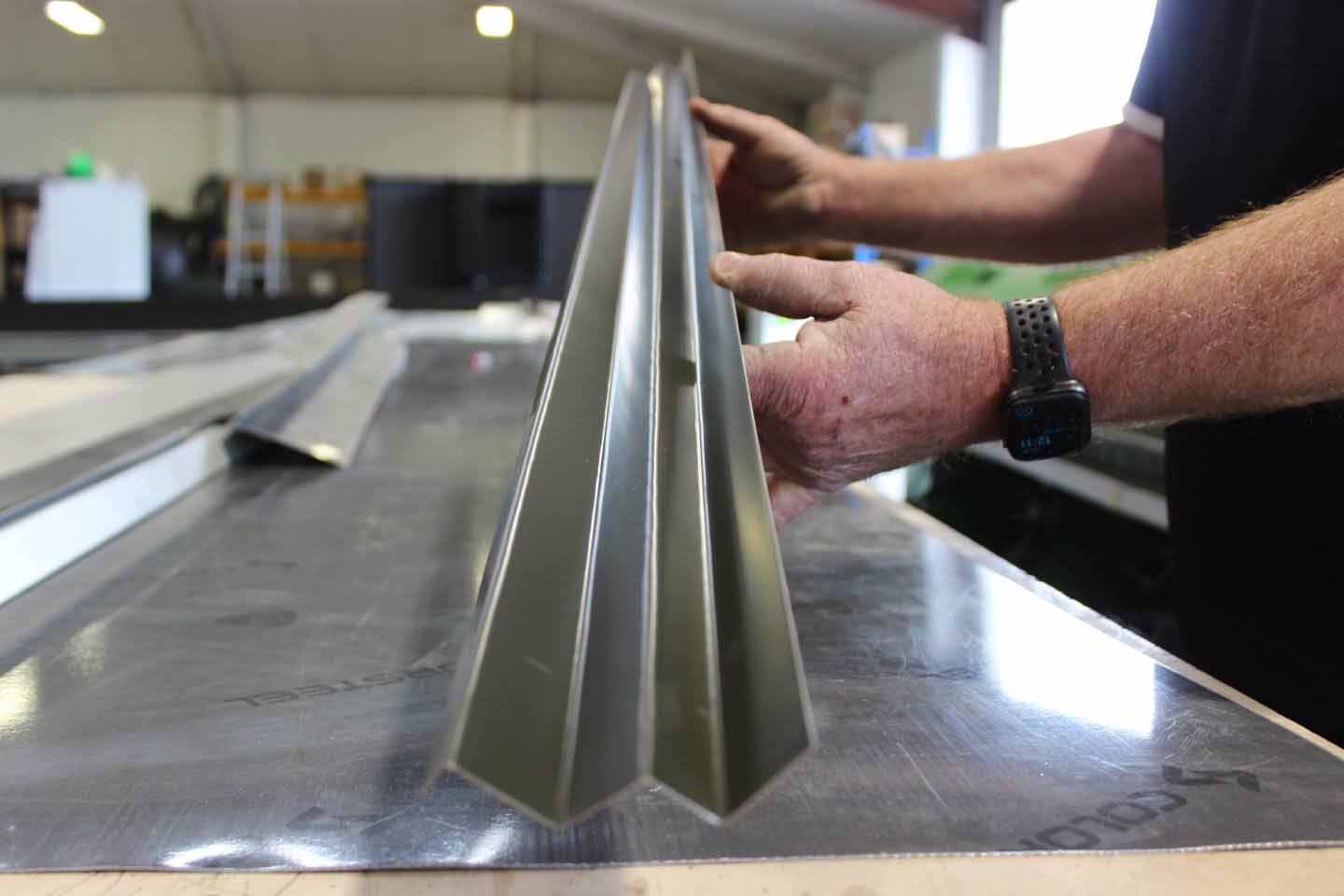
Not all spouting profiles hold the same volume. A deeper or wider profile may solve a problem that repeated cleaning never will. The right answer is not always replacing like for like. In some cases, it makes sense to upgrade to a profile that can handle the roof area better.
That is one reason we look closely at spouting profiles when quoting. If the existing profile is undersized for the roof, repeating it may simply repeat the same problem.
Why Downpipes Matter Just As Much
A larger gutter alone will not solve everything if the downpipe layout is poor. Too few outlets, undersized pipes or bad discharge points will still choke the system.
That is where downpipes & rainheads come in. Rainheads can provide a visible overflow point and help handle sudden surges, particularly on large catchments and concealed systems.
Capacity Problems Often Look Like “Random” Damage
Homeowners do not always recognise overflow as a sizing issue. They notice soft fascia, stained soffits, paint failure or water marks on cladding. We touched on those warning signs in How to Spot and Fix Common Gutter Issues in Your Christchurch Home, but the missing step is often asking whether the system is big enough in the first place.
We also look closely at flashings because once water starts overtopping, any weak point around the roof edge becomes more vulnerable.
When It Is Time To Upgrade
If your gutters overflow during heavy rain despite regular maintenance, or if one area of the roof constantly causes trouble, it is worth reassessing the whole drainage setup. In many cases, the right fix is continuous spouting with improved outlet spacing, the right spouting profiles, and better downpipes & rainheads.
The goal is simple. Water should leave the roof quickly, move through the spouting cleanly, and discharge without stressing the building.
We Can Tell You If The System Is Undersized
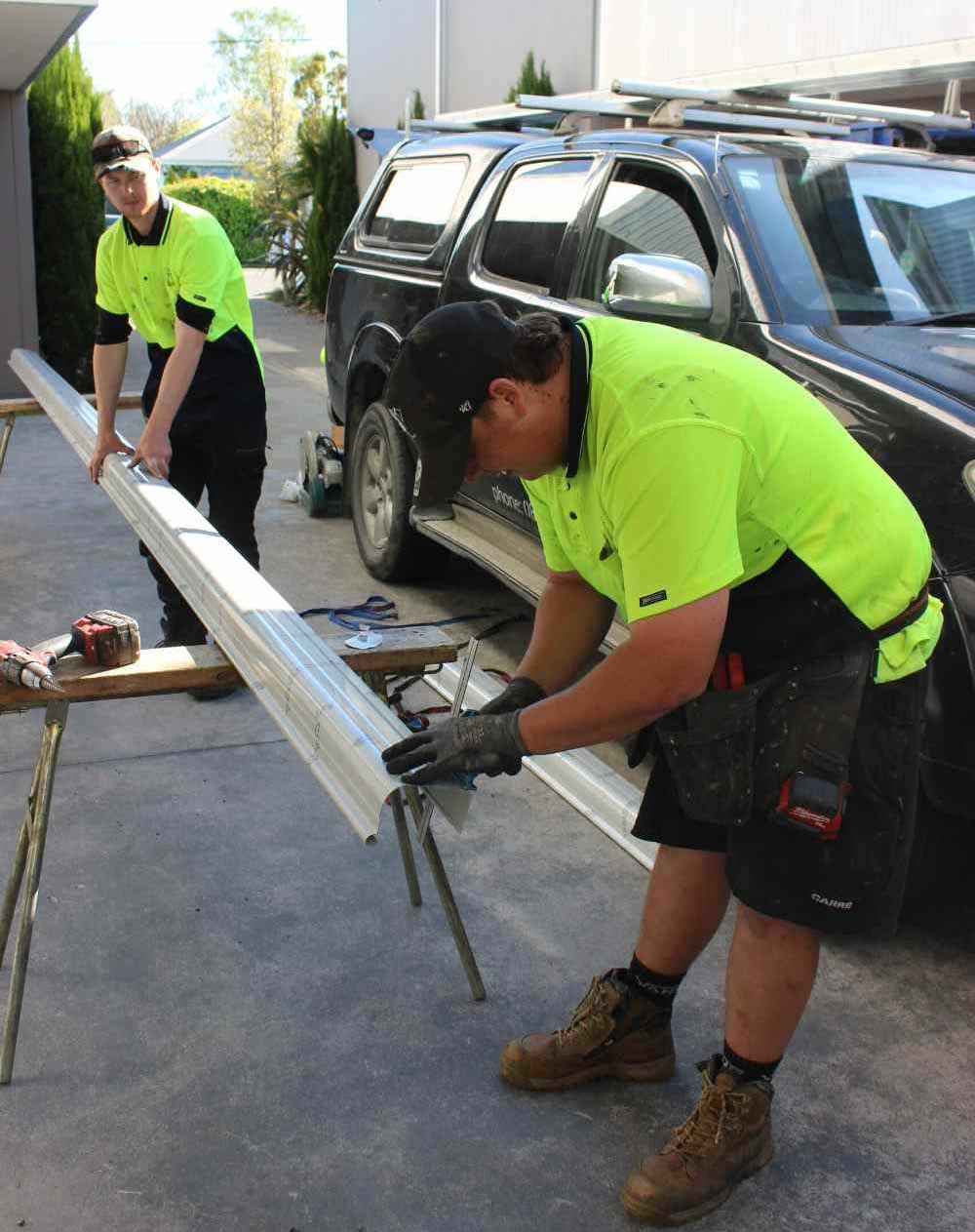
If you suspect your gutters are too small for today’s rainfall, we can assess the setup and tell you what is really going on. We work with spouting profiles, downpipes & rainheads, flashings and internal gutter & fascia systems across Christchurch.
A drainage system should cope when the weather turns rough, not only when conditions are easy. If yours is struggling, talk to us and we will help you work out whether the issue is debris, fall, outlet design or straight-up lack of capacity.