

Clearwater

COLORSTEEL® Spouting In Christchurch: What Homeowners Should Know Before Choosing It

If you are replacing old spouting in Christchurch, COLORSTEEL® is likely to come up early in the conversation. It is widely used on New Zealand homes, comes in a strong range of colours and works well across both older and contemporary properties.

But choosing COLORSTEEL® spouting involves a little more than picking a colour that matches the roof. The profile, type of system, fascia condition and surrounding materials all affect the job. Here is what we recommend considering before making the call.

What Is COLORSTEEL® Spouting?

COLORSTEEL® is pre-painted steel manufactured for New Zealand’s conditions. For spouting, it gives you the strength of metal with a factory-applied colour finish, so there is no need to paint the gutter after installation.

We use COLORSTEEL® across a range of our spouting work and are a recommended installer for COLORSTEEL® Maxx continuous spouting in Canterbury.

For homeowners replacing PVC, it is particularly worth comparing the two properly. There is still a common assumption that PVC is the cheaper option. With our systems, metal can be cheaper than PVC, while also providing a stronger and longer-lasting solution.

Continuous Or Sectional COLORSTEEL® Spouting?

One of the first decisions is whether the house suits continuous or sectional spouting.

Our continuous spouting in Christchurch is formed on site from a coil to suit the exact lengths required. This reduces unnecessary joins along straight runs, which means fewer places where seals can eventually fail.

We run continuous spouting in Old Gothic and Quarter Round profiles. Both work well across a range of Christchurch homes.

If those shapes do not suit the building, sectional options are available through our wider spouting profile range. The right answer depends on the house rather than automatically choosing one system for every project.

COLORSTEEL® Colour Choice Matters

Spouting runs around a large part of your home, so colour is worth getting right.

Some homeowners match their spouting directly to the roof. Others tie it into the fascia, window joinery or another exterior feature. Both approaches can work. The important thing is looking at the colours together rather than choosing the gutter shade in isolation.

Our COLORSTEEL® spouting colour range includes popular options such as FlaxPod, Gull Grey, Ironsand, Grey Friars, Ebony and Windsor Grey.

Computer screens do not reproduce steel colours perfectly, so we recommend checking an actual steel sample before making your final selection. You can also read our guide on choosing your spouting colour to match your roof, brick and joinery if you are unsure where to start.

Look Beyond The Gutter Itself

New COLORSTEEL® spouting will only perform as well as the roofline it is attached to.

Before replacing an existing system, we look at the fascia, fall, outlets and downpipes as well. If timber fascia has deteriorated or the existing line is uneven, simply fixing new guttering over the top does not address the underlying problem.

Where required, our custom fascia and spouting work can include new fascia or metal fascia covers alongside the spouting replacement. This gives us a sound fixing line and helps create a much cleaner finished roof edge.

The same applies to downpipes. If they are rusted, damaged or no longer suitable for the roof catchment, it makes sense to address them while the new spouting is being installed.

Is COLORSTEEL® Right For Every Home?

COLORSTEEL® is an excellent option for many Christchurch properties, but we still look at each house individually.

The roofline, exposure, existing materials and profile requirements all matter. Some projects are better suited to ColorCote, copper or a particular sectional profile. If you live in a particularly exposed location, material selection deserves extra consideration too.

We would rather recommend what suits the property than force one product onto every roof.

Choosing A COLORSTEEL® Spouting System

If you are considering COLORSTEEL® spouting, start with the whole system rather than the colour alone. Think about whether continuous or sectional spouting suits the roof, which profile looks right, whether the fascia needs attention, and whether the existing downpipes should remain.

We can measure the property, talk through those options and show you the available colours before anything is ordered.

If you are replacing old spouting or planning a new project, get in touch with us for a quote and we will help you choose a COLORSTEEL® system that suits the house properly.
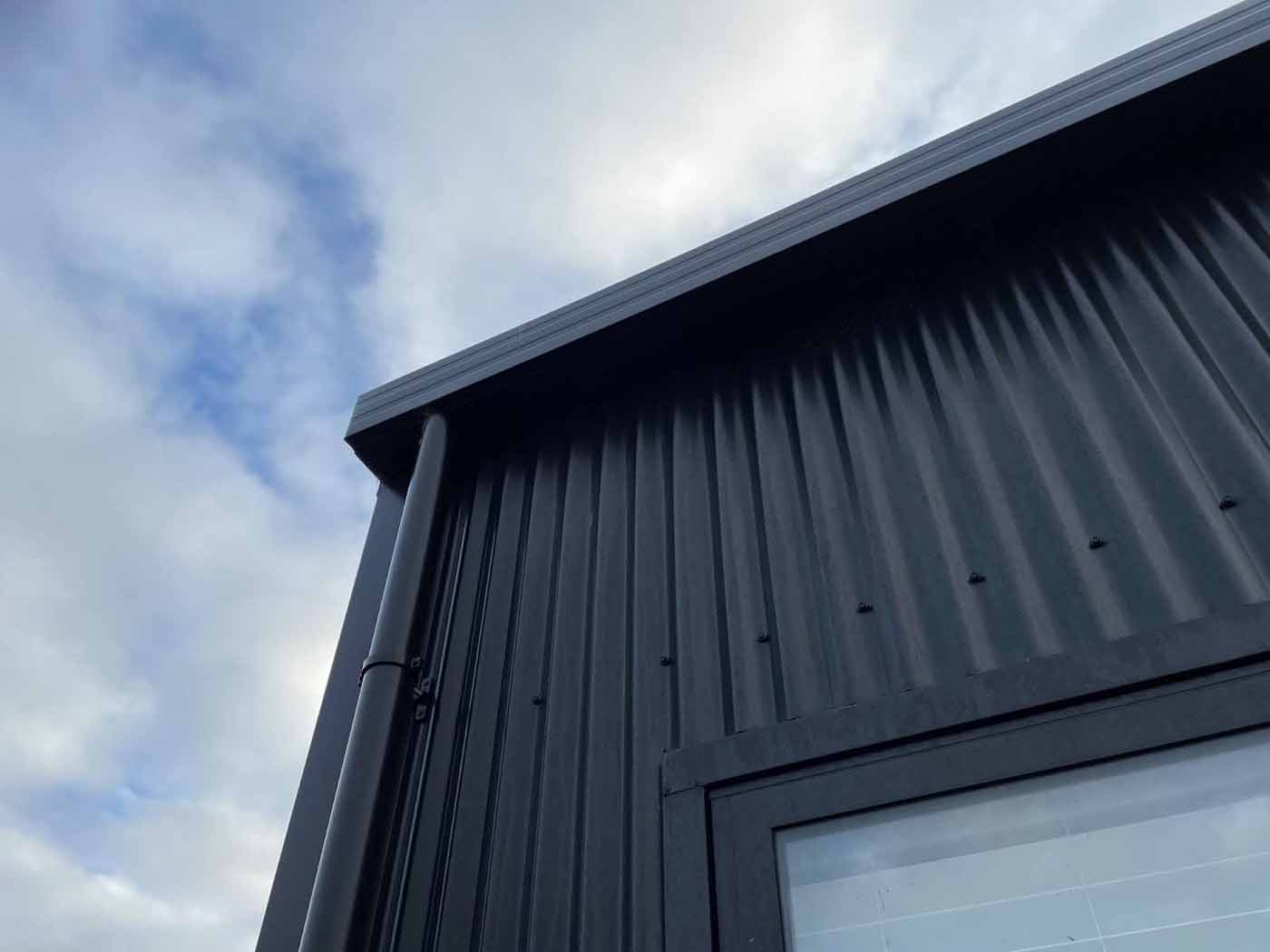
Do You Need New Downpipes When Replacing Spouting? What Christchurch Homeowners Should Know

When homeowners plan a spouting replacement, most of the focus goes straight to the guttering itself. That makes sense. It is the most visible part of the system, and it is usually the section that starts leaking, sagging or overflowing first. But one of the most common mistakes we see is replacing the spouting while leaving old downpipes in place without properly assessing whether they are still suitable.

Sometimes the existing downpipes are fine. Sometimes they are the weak link in the whole system. If they are undersized, rusting, poorly placed or discharging badly, keeping them can limit the performance of the new spouting from day one. That is why we always look at the full drainage setup rather than treating the gutters as a standalone job.

Why Downpipes Matter More Than People Think

Downpipes do the work of taking water from the roof edge down to the ground or drainage system. If they cannot keep up with the volume of water coming off the roof, the spouting above them will never perform properly.

This is especially important during Christchurch downpours. A roof may shed a large amount of water in a short space of time, and if the downpipes are too few, too small or partly blocked, the result is usually overflow. Homeowners often assume the new gutters are at fault, when the real problem is that the outlets below them were never upgraded.

That is why our downpipes & rainheads sit so closely alongside spouting replacement. A drainage system works best when the guttering, outlets and discharge points are all designed to suit the same roofline.

When Existing Downpipes Can Usually Stay

Not every respout means every downpipe has to go. In some cases, the existing downpipes can stay if they are still in good condition and still suit the property.

That is usually the case when:

  • the downpipes are structurally sound
  • there is no visible rust, splitting or movement
  • they are correctly sized for the roof area
  • they are positioned well
  • they discharge properly away from the house
  • they still suit the look of the new spouting

If those boxes are ticked, it may be reasonable to keep them. But that decision should come after inspection, not assumption.

When Replacing The Downpipes Makes Sense

There are some situations where replacing the downpipes alongside the spouting is clearly the better option.

They Are Old Or Rusting

If the downpipes are already showing corrosion, movement or wear, it rarely makes sense to hang brand-new spouting above them and hope for the best. You are only postponing the next problem.

They Are Undersized

This is a big one. If the old system struggled in heavy rain, the issue may not have been the gutter profile alone. It may have been the size or number of the downpipes. New spouting will not fix that by itself.

The Roofline Has Changed

Extensions, reroofs, altered falls, valley changes or internal-to-external drainage upgrades can all change how much water one part of the system needs to handle. If the roof catchment has changed, the downpipe layout may need to change too.

The Discharge Is Poor

A downpipe that dumps water in the wrong place can still cause mess and damage, even if the new spouting above it looks perfect. Poor discharge points, bad elbows and weak drainage below the outlet should all be picked up before the job is signed off.

The New Spouting Deserves A Better Finish

Sometimes the downpipes are technically usable but drag down the final result visually. If you are investing in continuous spouting Christchurch, leaving mismatched or tired downpipes in place can make the whole job feel unfinished.

What About Rainheads?

Rainheads become part of the conversation when the roof has large catchment areas, concealed drainage or concentrated flow. In some situations, they provide a visible overflow point and improve how water enters the downpipe system.

They are not needed on every house, but where they are appropriate, they can solve problems that standard outlet arrangements do not handle well. That is especially relevant on more complex roofs or where internal guttering is involved. If your property has concealed drainage, our internal gutter & fascia service is often part of that wider discussion.

The Risk Of Doing Half The Job

We understand why homeowners sometimes want to keep as much of the existing system as possible. If the downpipes still look acceptable from the ground, it can be tempting to leave them.

But if the replacement only solves half the drainage problem, the money is not being spent wisely. A new spouting system should improve performance, not inherit old weaknesses.

We covered some of those warning signs in our blog on 7 Signs It’s Time for a Gutter Replacement in Christchurch. The same principle applies here. If a key part of the system is no longer doing its job properly, it should be part of the replacement conversation.

The Best Approach

The best outcome usually comes from assessing the roof drainage system as a whole. That means looking at:

  • the spouting profile
  • the number and position of outlets
  • the condition of the downpipes
  • the discharge points
  • any related flashings or fascia issues

From there, we can tell you whether the current downpipes are worth keeping or whether replacing them will give you a better result.

Need Advice Before You Replace Your Spouting?

If you are planning a respout, we can assess whether the existing downpipes still suit the property or whether the system would benefit from a full upgrade. We work across Christchurch with downpipes & rainheads, continuous spouting, flashings and related drainage improvements that help the whole roofline perform properly.

If you want a recommendation based on the actual house rather than guesswork, get in touch with us for a quote.